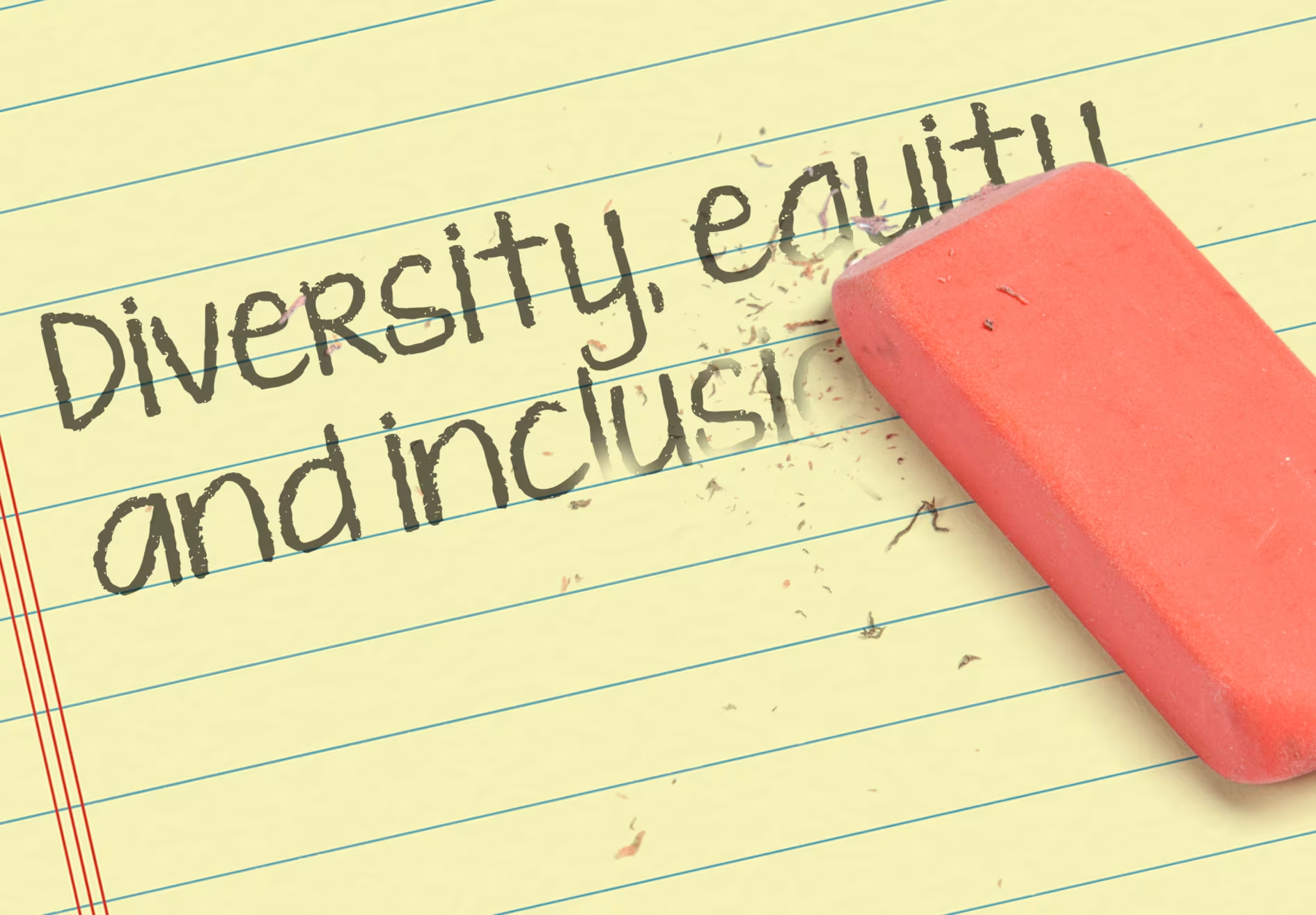
Why Companies Must Double Down on DEI

Image credit Marketwatch.com

I have been working with companies for twenty years in a bid to involve them more in the delivery and improved impacts of international aid.

What started primarily as a resource mobilization effort, for CARE International UK in 2006, soon evolved into something more integrated – global banks providing accounts for village savings groups; insurers offering rural communities $1 policies for health coverage; and even beer companies investing in research to understand the link between alcohol and domestic violence.

Throughout this time, I saw how the emergence of diversity, equity and inclusion (DEI) policies into the corporate world helped usher in new modes of leadership. CEOs began talking about putting “people and planet before profit.” HR departments prided themselves on equal opportunities, and invested in understanding workers’ rights and needs.

This shift toward a more inclusive, values-driven model of ‘Business 2.0’ was slow to take hold, but many of the world’s largest companies led the way. At least, they talked a good game. And, sometimes, talking is where progress begins.

DEI Under Threat

Today, however, we are navigating a world increasingly shaped by geopolitical instability, shifting aid flows, and rising nationalist rhetoric. DEI is under threat – not just from external political pressures, but from internal forces like budget cuts and boardroom fatigue. Yet, walking away from DEI now is not only a moral misstep, in my opinion it’s bad for business and bad for society.

The first quarter of 2025 has already seen drastic cuts to development aid. Alongside this, DEI commitments – once publicly celebrated – are being quietly shelved. Still, inequality persists. Marginalized groups, particularly women, ethnic minorities, LGBTQ+ individuals, and people with disabilities, continue to face systemic barriers. The need for equity in the workplace and beyond remains urgent.

Companies have long positioned themselves as leaders in social responsibility. I know this because I’ve spent countless hours in corporate boardrooms discussing the merits of my host’s latest DEI framework. I’ve attended conferences, facilitated panels, sat in workshops, written blogs, and led site visits from the northern provinces of Myanmar to the remote islands of the Philippines.

I’ve seen the important impacts of DEI on company culture, factory floors, and the communities indirectly touched by global supply chains.

The type of leadership that I’ve witnessed in this time, and that prioritizes values-driven business (one that sees the “win-win” for company and society in driving a stronger DEI agenda) is not a “nice-to-have.”

It is, more than ever, core to innovation, resilience, and long-term growth. Numerous studies have shown that diverse teams outperform homogenous ones. Inclusion drives creativity, better decision-making, and market expansion.

According to McKinsey: “Companies in the top quartile for ethnic and cultural diversity outperform those in the bottom quartile by 36% in profitability.” Organisations prioritizing DEI enjoy “up to 50% lower staff turnover”, says the Living Institute, which in turn reduces the high cost of recruitment and onboarding.

During my time with CARE International, I worked closely with companies who shared similar data and positive anecdotes about the way DEI commitments they had made were taking hold. Also while at CARE, I learnt more about micro and small businesses. Globally, these account for 90% of all enterprises and over 50% of global employment, according to the World Bank and the United Nations.

Imagine a world where these businesses adopt inclusive practices – the ripple effects through supply chains and local economies could be truly transformative.

Where to Start?

If you are a business seeking to strengthen your DEI commitments, why not start with the basics:

  • Embed DEI in your core strategy – don’t relegate it to CSR.
  • Publish annual DEI metrics and be transparent about both progress and challenges.
  • Ensure inclusive hiring, equitable pay, and diverse leadership pipelines.
  • Advocate publicly for inclusive policies, even when it’s uncomfortable.

In times of political pushback, I don’t believe ‘neutrality’ is a favourable option for the private sector. Companies that stay silent send a message that rights and equity are negotiable. Silence, in my experience, can be both reputationally and ethically compromising which, during uncertain times, is not ideal if your brand and reputation is under the microscope.

DEI is not a passing political trend.

It’s a human and economic imperative – one that businesses must continue to champion with courage, data, and intent.
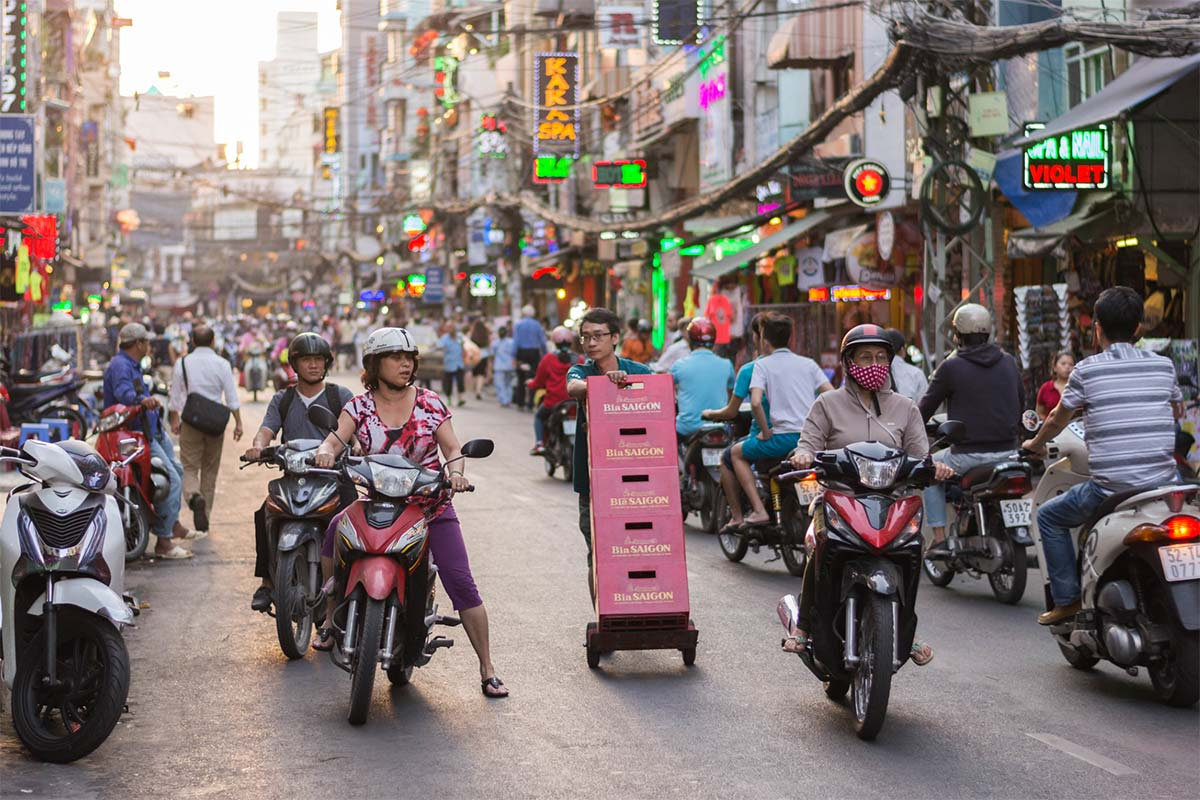
Private Sector Engagement in Southeast Asia: The Moment for Bold Action

For fourteen years, as long as I’ve lived in Saigon, I’ve been blogging about ‘Private Sector Engagement’ – its evolution, its setbacks, and its vast potential to drive social and economic change. Time and again, I’ve emphasized one thing: alliances with business are not just beneficial, they are essential.

Yet, at a time when global companies are facing political pressure to roll back Diversity, Equity, and Inclusion (DEI) programs, there’s a real risk that corporate commitments to broader social impact (including sustainability, worker rights, and responsible business practices) could be deprioritized or abandoned altogether.

With government funding for aid shrinking fast, the question is no longer whether the private sector should play a role in sustainable development – but how fast we can make that happen? Companies must resist the temptation to step away from ESG (Environmental, Social and Governance) commitments, or drop impact-driven business models. Instead, they must double down on sustainable, long-term strategies that create both profit and positive change.

Rather than dwelling on the alarming consequences of these funding cuts (which many commentators are documenting well), I want to underscore why this moment demands a shift.

From my work in sustainability consulting, business partnerships, and initiatives with CARE, I’ve identified the following key trends shaping this transformation.

The Rise of Impact-Driven Partnerships

Corporate Social Responsibility (CSR) in Southeast Asia has long been philanthropy-driven, with companies donating to social causes without embedding impact into their core business. That’s shifting.

While there’s still a place for sponsorships, more businesses now see the value in long-term, strategic partnerships with NGOs and social enterprises. CARE has always been my “go-to” on this, for examples of the innovations used to secure “win-win” partnerships with corporations – I’ve listed their collaborations over the years with the likes of Barclays, Allianz and GSK as just a few examples.

In Southeast Asia, many other organisations have worked collaboratively with companies. World Vision & Procter & Gamble in the Philippines, for example, ran a Hope in Garbage project, which collected 3.2 million plastic sachets and 870,000 plastic bottles, upcycling them into 1,040 chairs for schools – a great model for sustainability and education impact.

Here in Vietnam, The East Meets West Foundation, also known as ‘Thrive Networks’, partnered with GE Healthcare to enhance healthcare infrastructure leading to the development of medical institutions, and the provision of custom-designed equipment to hospitals, aimed at improving neonatal care and reducing infant mortality rates. ​

Even in industries like apparel, where brands once relied on short-term worker welfare programs, we now see the co-development of ethical supply chains with sustainability organizations. CARE and the ILO’s early 2000s work laid a lot of the foundations for this, and entities now, such as RISE, are pushing ethical supply chain development even further as result.

Where to from here? To me, the answer is clear. Organizations – NGOs, especially – engaging with the private sector need to move beyond sponsorship requests and, instead, position themselves as strategic partners that bring business value, through such things as innovation, market access, or risk mitigation.

The Shift from Compliance to ESG-Driven Business Models

ESG factors are becoming a competitive advantage, rather than a regulatory burden. Investors, consumers, and governments are increasingly pressuring businesses to embed sustainability into their operations. The result of which is that large corporations are developing ESG frameworks, not just to comply with regulations, but to attract investors and gain consumer trust.

And with this trend, we are seeing multinationals now pushing sustainability requirements down their supply chains, impacting SMEs and local businesses.

Governments in our region are also starting to integrate ESG into investment policies and corporate reporting frameworks. Both Vietnam and Indonesia, for example, highlight ESG in financial reporting, investment strategies, and regulatory frameworks.

Vietnam even has a “report or explain” framework and Corporate Governance Code which both promote transparency, while Indonesia’s OJK Regulation No. 51/2017 mandates ESG disclosure for listed companies.

As ESG gains traction, the non-profit world can play a more prominent role in ensuring businesses go beyond compliance to create real social and environmental impact. NGOs can add value by training smaller companies on ESG compliance, reporting, and sustainable business models, and also facilitating partnerships that ensure corporate ESG aligns with local needs. There is also room for NGOs to play a role in accountability, monitoring ESG commitments, preventing greenwashing, and pushing for stronger corporate governance.

The Growth of Market-Based Solutions & Inclusive Business Models

Lastly, one of the most exciting trends I think Southeast Asia is experiencing, is the rise of businesses integrating social impact into their core revenue models. Rather than treating sustainability as a cost center, companies are developing commercially viable solutions that also drive impact.

As such “circular economy” models are emerging, particularly in sectors like textiles, packaging, and agriculture. Whilst social enterprises are scaling through corporate partnerships, blending business growth with community impact.

I saw this firsthand as early as 2007, when I worked on CARE’s rural sales initiative in Bangladesh – a project that later spun off as JITA, itself a stand-alone social enterprise in 2012. Since then, the region has only expanded its approach, with more companies exploring inclusive business models that drive both profit and impact.

These ventures, requiring businesses to engage with underserved communities, need cross-sector expertise, opening up opportunities for collaboration between the private sector, NGOs, and impact investors. Organizations that can align their business goals with market-based impact solutions will, in my opinion, have a stronger case for funding and growth partnerships.

Where to Next?

Private sector engagement in Southeast Asia is no longer an option in my view – it’s a necessity. With aid funding brutally slashed, ESG becoming mainstream, and political pressure mounting against corporate social commitments, businesses and impact organizations must collaborate in smarter, more strategic ways.

In the face of backlash against DEI, we must recognize that ESG, sustainability, and inclusive business aren’t just about good optics – they are about long-term business resilience, risk management, and innovation.

Businesses should move beyond compliance and integrate ESG and impact into their core strategy, rather than retreating from it. Whilst NGOs must stop just chasing sponsorships and become strategic partners that offer value.

The opportunity is there for the taking. The question is: who’s ready to lead, and who will fall behind?