Sitting Down So Others Can Stand

Those of you familiar with my writing will know I love the chance to hat-tip an anniversary.

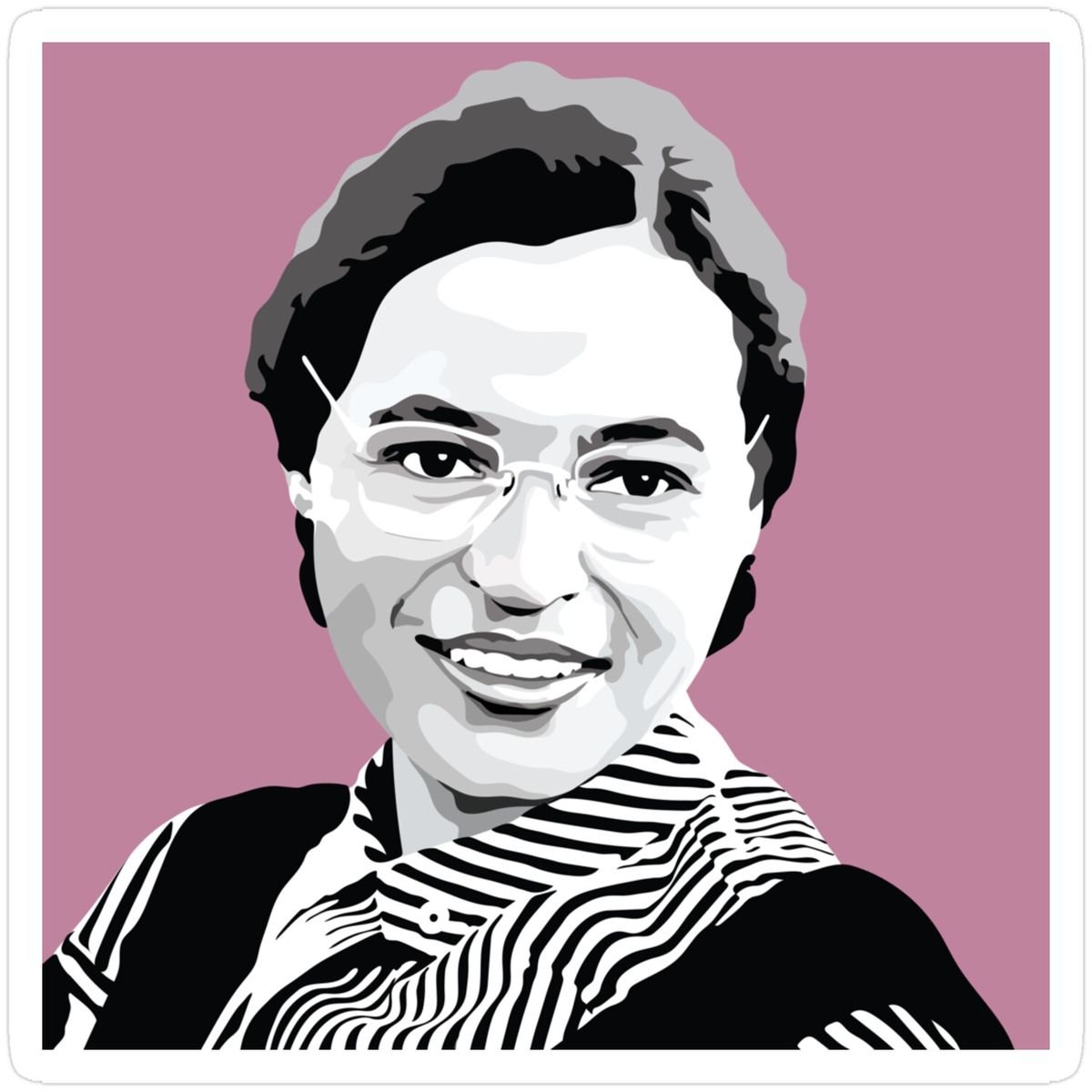
As well as today being the first day of the last month of the year, it is also 70 years to the day since Rosa Parks refused to give up her seat on a bus in Montgomery, Alabama – and was arrested for it.

Back in 2018, I spent time in the United States for work, travelling through the South, visiting museums, memorials, and sites of the Civil Rights Movement. It was one of the most affecting trips of my life.

I wrote about it at the time, and re-reading that text over the weekend reminded me how fortunate I was, back then, to have a job that enabled me to make that trip in the first place.

It dawned on me too that, since leaving CARE International in late 2019, some of my focus has – perhaps inadvertently – shifted.

While with CARE, I was afforded daily access to issues of social rights, well-being, injustice, gender inequity – a myriad of interwoven concerns that constantly reminded me of my own privileges.

Since becoming a freelancer, it feels like I’ve turned much more inward: to the work at hand, to the immediate need to secure the next contract, the next rent payment. And this has often been at the expense of expanding my understanding of those deeper issues I knew so well, only a few years ago.

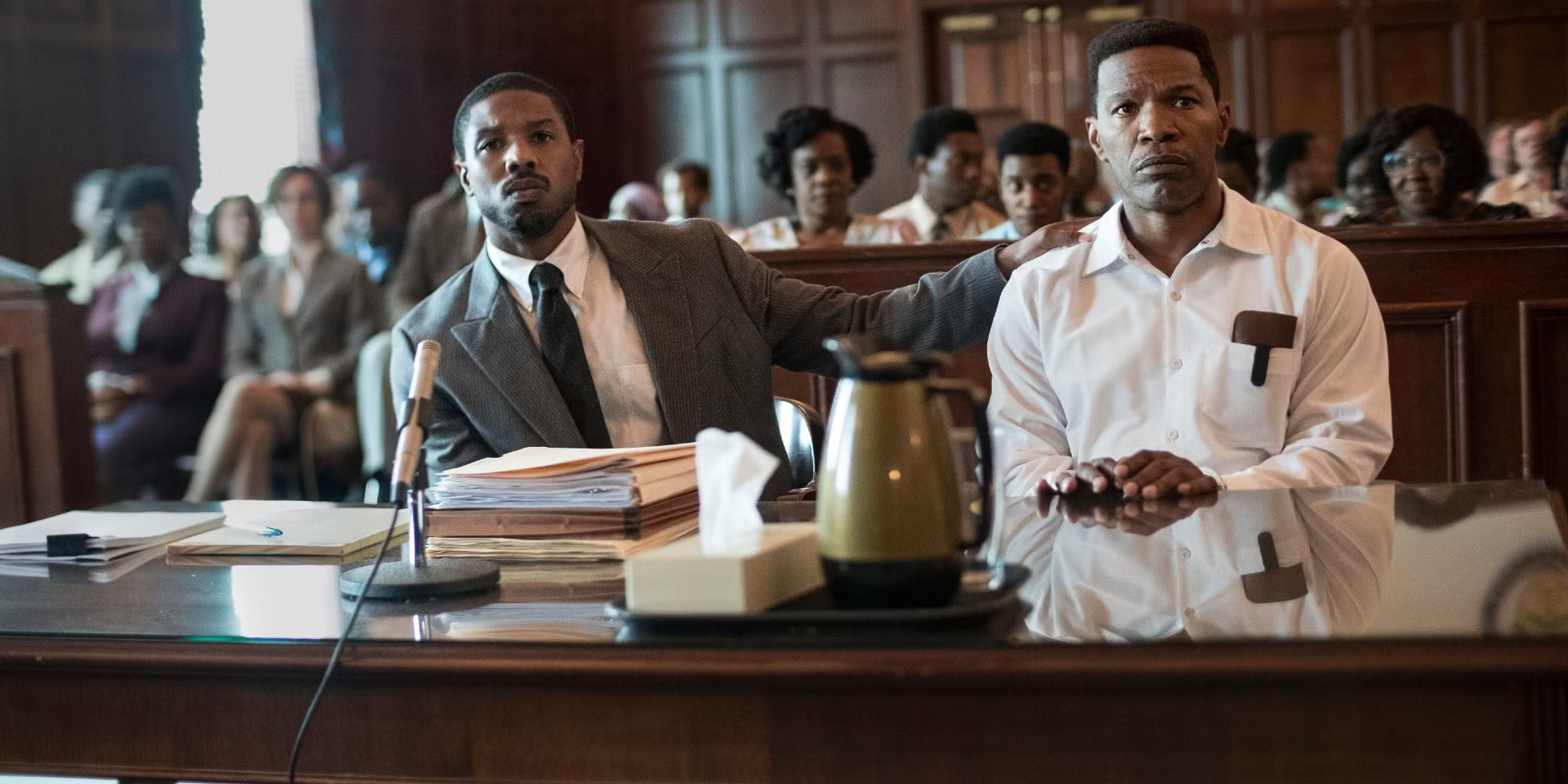
On that 2018 excursion I met some incredible people – one of whose work was introduced to us when we visited the Equal Justice Initiative in Montgomery, which he founded. His name is Bryan Stevenson, and he’s an American lawyer and social-justice activist, who has spent decades challenging racial bias in the criminal-justice system.

In his book Just Mercy, Stevenson writes about the many hundreds of young Black men he has defended. I remember his staff showing us around the Institute, and wearing T-shirts with a quote from Stevenson emblazoned on the back:

The opposite of poverty isn’t wealth. The opposite of poverty is justice.

When Rosa Parks refused to give up her seat that day in 1955, she lit a fuse for a year long boycott that ultimately overturned segregation on public transport in Montgomery.

Her defiance is remembered as iconic. Hers, like Luther King’s, was a moment that changed history.

Rosa Parks’s story and legacy suggests to me that bringing about change is rarely born from comfort. It comes instead from friction, from disruption, from relentless organizing. Sometimes, as in her case, from all of the above combined.

Revisiting this, I’ve read more about how, at the time, many mainstream newspapers and officials framed Rosa Parks as tired, weak, and elderly: a harmless “grandmother figure” whose feet simply hurt.

That narrative was constructed deliberately to make her protest easier for the wider public to digest. In doing so, the narrative then became easier to sanitize, and easier to depoliticize.

But the truth is more powerful. Rosa Parks was 42 years old – not frail or dithering. And, as she later said:

The only tired I was, was tired of giving in.

Long before that bus ride she was already a seasoned activist. She was trained in non-violent resistance, she was connected to organizers, and she was committed to racial justice.

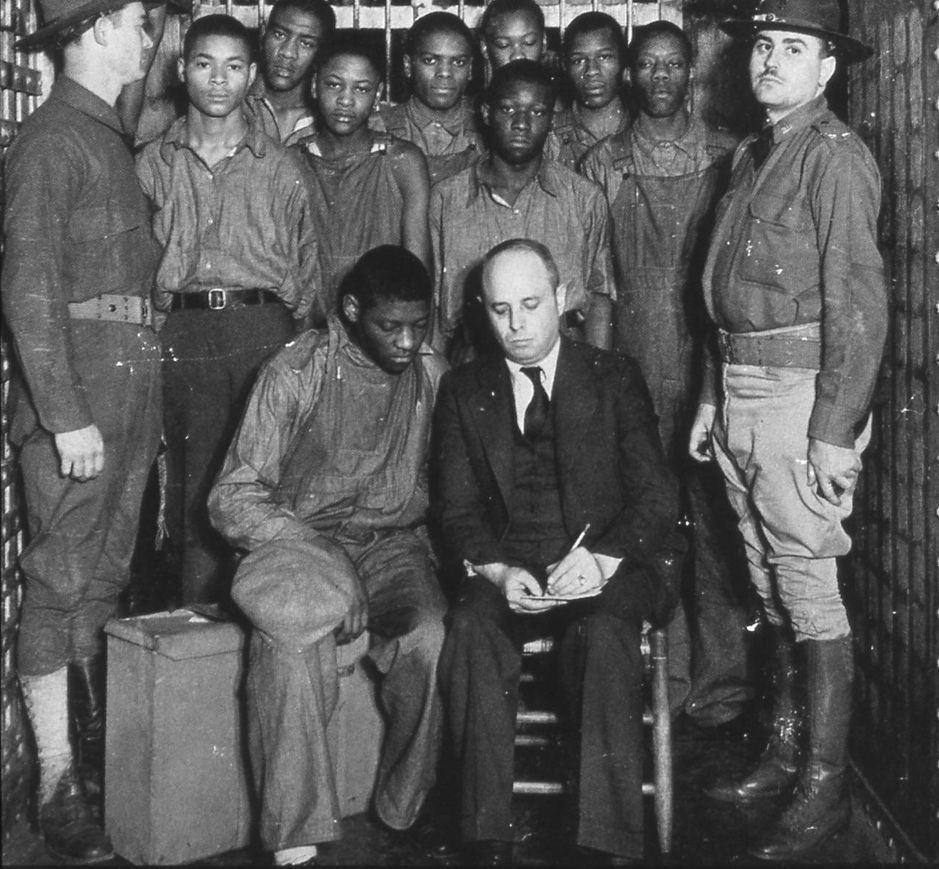
By 1955 she had been deeply involved in civil-rights work and had supported earlier landmark cases of injustice – including the defense of the Scottsboro Boys, a group of nine Black teenagers wrongfully accused of rape in 1931.

Their rushed trials at the time – complete with all-white juries – and their near-execution, exposed the brutal racial injustice of the legal system, and very likely shaped Parks’s understanding of what it meant to fight for justice.

Her refusal on that bus was not a spontaneous act born of fatigue. It was a strategic, courageous choice by someone who understood exactly what was at stake – as well as how much work still remained.

I don’t know how much Rosa Parks, or any of her peers at the time, believed there was an alternative route to justice than the one they took. What seems more truthful is that their actions were born out of necessity and fierce conviction. They acted not because it was safe, or convenient, but because it was right.

Today, at the beginning of the end of another year, I’m struck by how easy it is, in our everyday lives, to drift toward comfort. We focus on earning, and planning, and surviving – this is what we do, these are the things we use for structure, and for our milestones.

And, while I don’t see how to get around some of these inevitably important components in one’s life, I do wish personally I’d spent more time of late listening and learning from those others out there, who have leant hard into the practice of intentional solidarity.

I’ve found myself proactively turning away from reading more about some of the ongoing turbulence in the world. And in doing so, missed opportunities to be inspired by all the many other “Rosa Parks figures” in the world: individuals, often far away from our lives, bravely doing things differently, guided by resolve, endurance, and principle.

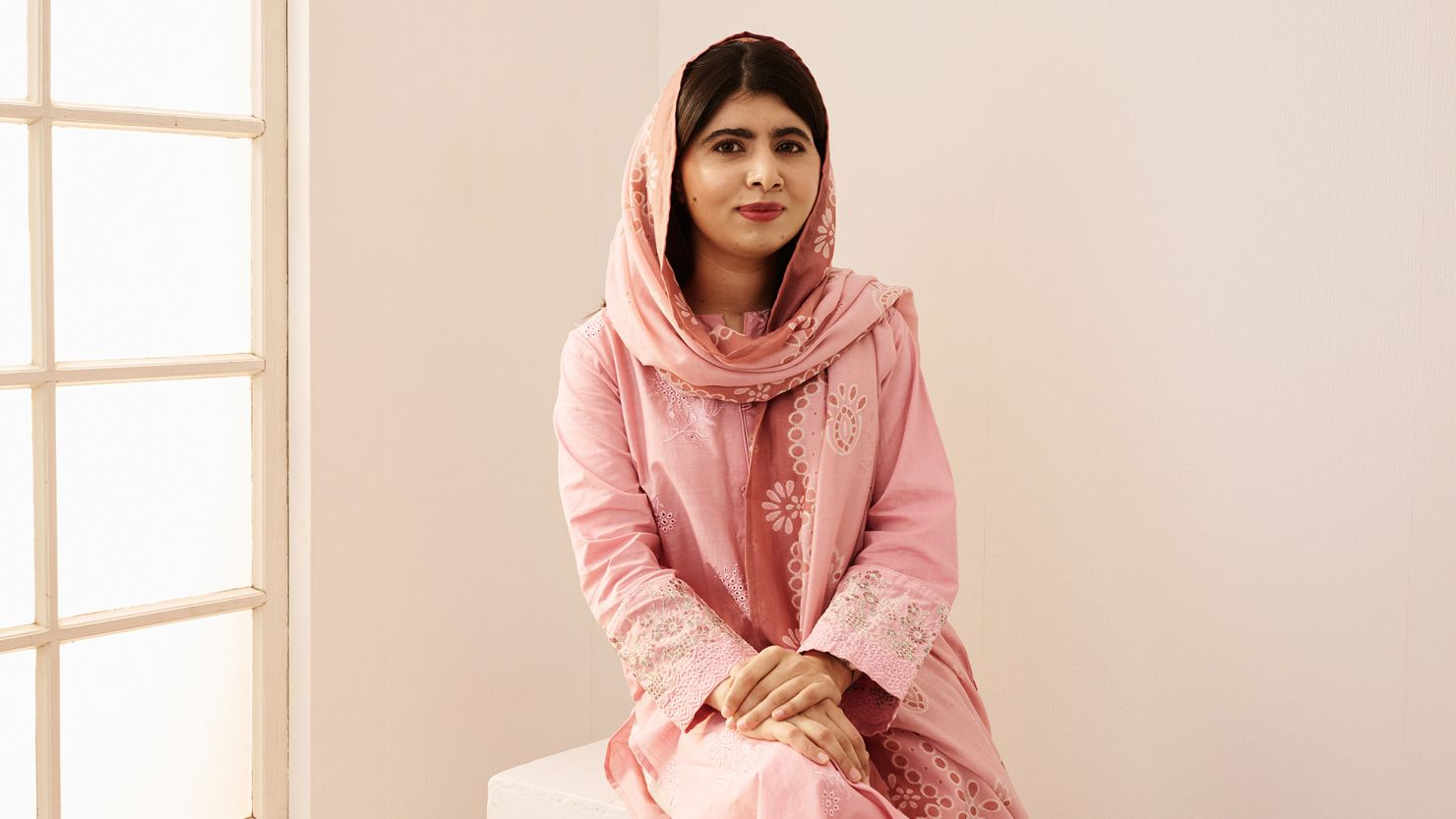
One of them is Malala Yousafzai. Even now – years after surviving a brutal attempt on her life, and years after winning the Nobel Peace Prize – she continues to remind the world why education is not a privilege, but a right. When I first learnt about her story she immediately inspired me to write about some of the issues she stood up for.

Looking her up now, it’s thrilling to read that through her ‘Malala Fund’ she continues to supports girls, particularly those in conflict zones or under oppressive regimes. She is helping them complete their secondary schooling, stand up for their rights, and ultimately claim the futures that too often are denied to them.

Although she has repeatedly spoken out about the dire situation facing Afghan girls, this year she went to Tanzania to convene activists around a range of similar issues – from girls’ education and child marriage to digital inclusion and climate justice.

To me, Malala is another history changing icon. In some ways, she stands as a bridge between the legacy of 1950s civil-rights movements and the contemporary realities that my work with CARE also brought to life for me: global inequality, gender injustice, and the woeful disenfranchisement of entire generations of girls.

I’m very grateful for the chance to regurgitate some of the lessons I took from that US trip seven years ago, and to commit more in my life to reach beyond convenience, to pause, to read, and to listen much more to voices I don’t normally hear.

Just because we’ve got used to the media peppering us with images and stories of characters who couldn’t behave LESS like those I’ve written about here today, it doesn’t mean we have to take any lead from them, or from what they represent. If, instead, we have to go back in time to find better role models and more worthy solutions to social inequalities, then so be it.

Rosa Parks, Martin Luther King Jr., Malala Yousafzai: these should be the trend-setters of today, the influencers in our lives.

I will always applaud them, and all the many others out there like them – people who refuse to accept easy comfort, when it comes at the cost of justice.

You must never be fearful about what you are doing when it is right.

Rosa Parks (Feb 4, 1913 – Oct 24, 2005).

#IWD 2025

https://blackgirlnerds.com/audre-lorde-a-lasting-legacy/

Tomorrow is International Women’s Day and I’ve spent much of my Friday so far pretending no one really cares about events such as “IWD.”

This is an innately male inclination, it occurs to me, given us men have been in the firing line now for an uncomfortable amount of years (is it ten already?) hearing about the importance of women’s empowerment and gender equality.

I have blogged time and again about gender issues, largely because I worked for an organisation whose mission was to empower women, and address the inequalities they face. Aside from being paid money to support this mission, I happened to also fundamentally believe that gender equality was critical for the world.

Perhaps naively, in December 2011, I wrote this piece on my way back from a conference in India, in which I stated I was “hopeful” that women’s empowerment was on the rise. Businesses, I gushed, were hosting conferences on the topic, no less.

“Hopeful”. Not a great statement of mine to re-read. Kind of ironic?

No matter that the UK suffragette movement was the best part of one hundred years old, as I was offering my insights. I was hopeful.

Nor was I put off, at the time, by some of the infamous predictions being bandied around by “the Scandinavian’s” that gender equality would only be realised “in about 150 year’s time”. And that was just in Norway.

Again, I remained hopeful, in Delhi on that trip, that things were changing.

I’d not cared, either, to really listen to those experts in my field who spoke of the “generational change” needed to have any impact on any social norms.

Nor had I accepted the caution presented to me, by colleagues, suggesting that bringing business to the table (this was my job at the time) to discuss women’s empowerment was, in fact, a flawed long-term strategy.

No, I was in India, I had spoken to people at a conference, and I was convinced the tides were turning.

Quite content with my findings, I was excited to fly home to my two daughters. They were not going to have to contend with half the pressures and discriminations dealt with by their mother, their grandmothers, or even their great-great-great grandmothers.

Re-reading my post from 2011, I do want to be celebrating IWD tomorrow, confident that the arc of things has shifted in the direction I foresaw. And, I am sure, over the weekend, I’ll read more about the positive changes that those organisations, and individuals, who do care about IWD, will be posting and sharing.

There have been things to celebrate. However, in my own words, summing up my Delhi trip (and what appears to be something of a get-out-jail-free card) I closed with this:

“ultimately…real change happens when we look within ourselves, and take responsibility for our actions, our perceptions, and place a value on those of others”

Not too bad an ending for a naive hopeful.

Wind forward a few years, and COVID-19 is upon us. The pandemic had horrific consequences for many millions of people. It seems to me that we also came close, during it, to experiencing many similar things together, not all of which were horrendous. We placed value on others during lockdown and, for some, I think that helped partially dilute these normative gender dynamics that have set the bar for our species for so long.

It was a “re-set” for sure. But, not for all, and looking back, not for long.

Today, with another IWD upon us, I can’t express enough how short it still feels we’ve fallen, of even the slightest tilt in the right direction.

Because, it’s still men.

Everywhere, and in charge of everything – men.

They control the world politically, commercially, financially, legally, militarily, judicially, and technologically.

Men run the world’s infrastructure, transportation, and the world’s media.

Men control natural resources and they dominate global relations and diplomacy.

Men head up religion and faith-based institutions, they govern sport and academia.

Men lead construction and real estate sectors, they are in charge of the world’s agriculture and food systems.

The leadership of healthcare and pharmaceutical industries is mostly male. They manage hospital boards, they fund medical innovations.

Even outside our planet, it’s men – who else? – leading our space agencies.

So what, you ask?

Some would claim the world is healthier, richer, more connected, more knowledgeable, more innovative, and more “prosperous” than ever before in our history. Thanks to men.

While others would suggest we’re experiencing the highest inequalities in society (which show no sign of decreasing) and face the most pressing environmental and societal catastrophes the world has seen. Also, thanks to men.

Men giveth, and then men taketh away? What is the conclusion to draw here, as we’ve no alternative model to use as some kind of controlled experiment?

We don’t know what any other dynamic looks like, because we’ve never got close to shifting from what we have always had.

Perhaps I’m perched on the fence of this argument? Which, you could say, is a comfortable compromise for a middle-aged white male like me – trying to learn from everyone, trying to see new perspectives, trying to be balanced. Try, try, try.

There has to be merit in seeking out balance, in remaining curious, in never being satisfied with the answer to a problem. I will stick by that and, fingers crossed, when I read this back in 2039, I’ve not reneged on that aspiration.

But, for today, I cannot wish enough to speed up the tidal changes that I alluded to fourteen years ago, and which Emily Pankhurst fought for last century, and others before her over the millennia.

If it took one thousand more #MeToo’s to fan the flames of the tiny spark which the original campaign ignited, then let’s have those one thousand now, and then one thousand more.

It simply cannot be as it has always been. It must, must shift. More women making decisions, more women taking control, more women shaping our world.

The picture above is of Audre Lord, writer and civil rights activist.

It was she who said:

“They tell us to shrink ourselves, to make space for their egos. But I will not be small so that they can feel big.”

And it was my dear friend, Milli Hill, speaking today in Prague at the launch of her book, who quoted Lord in her own masterstroke of a speech, entitled: A Life Less Apologetic.

It’s Milli’s words that have inspired me today and, in turn, those of Audre Lord and others she cites. More women shaping our world.

I am no longer ‘hopeful’. We need a Revolution.

RISE to the occasion

This week I’ve been working with a global organisation, RISE, that is seeking an end to the oppressive conditions faced by female workers in the garment industry. In the very same week we have seen Iceland, which consistently ranks as one of the world’s most progressive nations, convene a nationwide strike (that included their own Prime Minister) demanding equal pay for women.

This, in itself, should speak volumes to the task in hand for the RISE team.

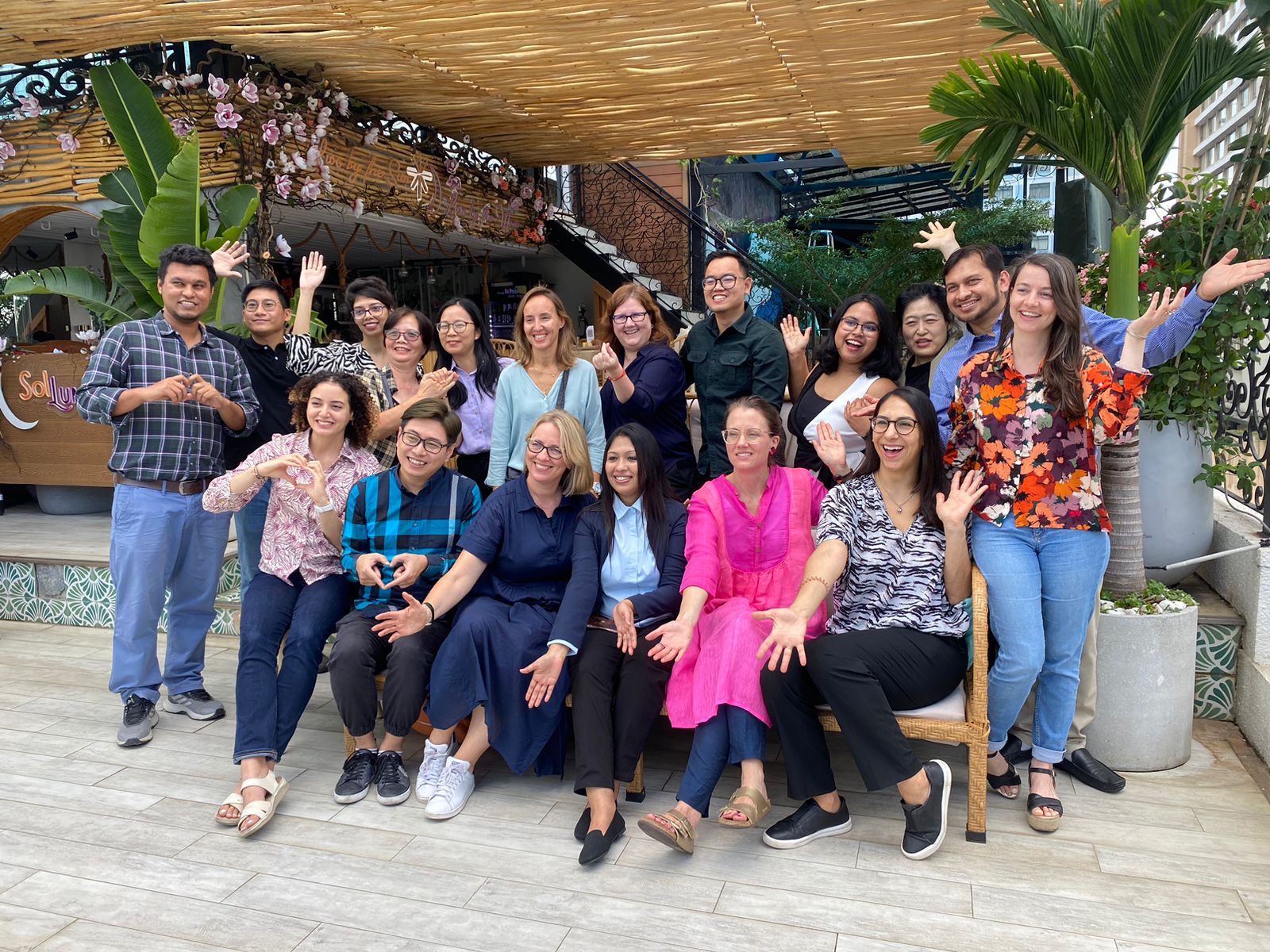
RISE is a newly established start-up of just twenty people but representing the experience and learning of over a quarter of a century’s worth of engagement in the readymade garment sector, by RISE’s founding partners, to improve the conditions for workers. RISE launched on International Women’s Day, in March 2023, the culmination of several years of planning and investment by Business for Social Responsibility, CARE International, the International Labour Organisation, and Gap Inc.

As a collection of very large and diverse organisations, all offering resources and technical support to addressing gender inequities in an industry that employs 60 million female workers, these founding partners have coalesced around the need not only to collaborate, but to go one step further, and to actually join forces and handover the reins of this colossal objective to a single entity.

In taking on that mantel, RISE has a head start on most start-ups, given the vast intellectual property and knowledge it is able to draw on from each of its founding partners.

The twist, of course, is that the journey ahead, in achieving any sort of equity for female garment workers (given the disparities which exist in a country such as Iceland) is a long one. As so many of the RISE team themselves already know from their own experiences, the path ahead will also be fraught with many complex challenges. Not least is the issue of garnering attention from all of the necessary stakeholders – brands, suppliers, factory owners, governments, consumers, the media and so on – who hold sway over worker conditions, on a topic that no single country of the world has managed, yet, to resolve.

What I saw in Saigon over the past three days, however, in terms of the commitment RISE is making through its incredibly dedicated and specialist team, was inspiring.

In just 7 months, this team has already achieved the goals set by its Board – on programme design, fund raising, communications, and on the overall operations challenge of fusing four different organisation’s strategies into one. In this same span of time the team has grown fast – 37% of them joined over the past few months, and many of the longer term BSR staff involved over the past 4-5 years during the set-up phase for RISE, were meeting in-person for the first time in Vietnam this week.

RISE is already delivering programmes for factory workers in multiple countries, here in Asia, but also in the Middle East and East Africa. They are led by inspiring colleagues, who have dedicated large parts of their own lives and careers to the cause, from North America and Europe across to North Africa, South and Southeast Asia, as well as from China’s mainland.

And I commend whole-heartedly, to anyone interested in this agenda, the spirit and passion I saw in the values, behaviours and actions of the team, both as they set about discussing strategic plans, but also as they spent time forming and learning more about one another.

As the American Anthropologist, Margaret Mead, famously said: “Never believe that a few caring people can’t change the world. For, indeed, that’s all who ever have.”

I look forward to following the successes of RISE in the years to come.

Put more women in charge

image
Photo credit: @Samuel Jeffrey http://www.nomadicsamuel.com

Last Thursday marked the 45th anniversary of the reunification of Vietnam. The day the “American war” officially ended. Evacuations from Saigon continued for some time after 30th April 1975, but Reunification Day is the day that residents here hoist up their flags and commemorate the end of one era, and the beginning of another.

I remember talking to a friend a few year’s back, she was born in Saigon, and her family fled later in the ’70s, bound for Melbourne, Australia. She recalls the memory of being in a boat, aged 5, and can picture still the anguish plastered across her parents’ brows, and their clipped, firm instructions to her.

The plight of a family on the run isn’t something anyone would choose to put themselves through.

Just as no parent would want their loved ones to be victims of war over peace, violent conflict over dialogue.

And, yet, war and conflict riddle our generation, as they have every other one before us, and peace and dialogue so often resolve far less than seems possible.

‘Change’ in our society, as required by the human condition, thrives off of a combination of war and peace, reinforced and shaped, as these forces are, by various forms of dialogue and iterations of conflict.

There is a predictability around the cycles of these dynamics and conditions, and humans seem stuck in the cadence and inevitability of the ebb and flow of these things.

But we needn’t be stuck, dear reader.

I put it to you that we’ve gathered plenty of recent and favourable lessons about how to tackle societal issues (including addressing conflict and war) and one thing is certain: we don’t have enough women in charge.

It’s not necessarily that a Head of State (there are currently 29 female Heads of State out of 195 countries) always single-handedly makes the key decisions. Nor every corporate CEO the same. It takes many voices and influences to ultimately persuade a country to go “to war” in the first place.

However, with power comes great responsibility, as the saying goes, and men simply don’t care enough about the impacts of their decisions, when compared to women.

Forgive the sweeping generalisations but, for too long – forever – men have sat smug and uncontested, their creativity and compassion rendered, more often than not, lethargic and complacent when compared, in the cold and searching light of day, to that of women.

The Mars vs. Venus analogies neatly document the critical differences between men and women. We have this data. Men don’t care as much as women do. They don’t care as much.

The alarm bells have been ringing loud and clear on this point for a long while now. But nothing changes.

Boris Johnson, Scott Morrison, Donald Trump, Jeff Bezos, Mark Zuckeberg, Rupert Murdoch, Vladimir Putin, Xi Jinping, Narendra Modi, Pope Francis. A plethora of male power brokers. Angela Merkel the one female counter-part over the last ten years whose influence is comparable.

More recently, New Zealand’s Jacinda Ardern has captured the attention of many. Because she cares. Because she is self-aware and because her ego, unlike the inflated zeppelins of her male peers, doesn’t take over how she makes decisions.

In the archives of these posts you will find attempts to describe CARE’s solutions to poverty and social injustice. The #1 proof of concept that CARE has? Put more women in charge. Put gender equality at the centre of all poverty programmes, of all campaigns to tackle social injustice. Done. It’s that simple.

Put more women in charge of balancing a low-income household budget and we know they will think more about healthcare and education, than they will about spending that budget on consumption. They will care more about the welfare of their children. There will be less violence and conflict.

BeyondMeToo_NOLogo_Square
Picture credit: http://www.wunc.org

Putting more women in charge of everything can only reap dividends for everyone in the longer term. The stock market, the military, the media, the respective governance structures of every country in the world, the political systems, which toxically cause pain and suffering for so many people. Hell, we’ve even the evidence now that investing more in girls’ education is one of the most important counters to the effects of climate change.

Women make up 51% of the world’s population and yet we are leaving seismic decision-making about the planet’s extractive industry, the planet’s nuclear capacities, the planet’s healthcare and financial systems, dis-proportionality to men. Who we know care less about issues of humanity and welfare than women do.

Patriarchal social norms, everywhere, dictate this status quo. Capitalism only worsens the effects of inequality, and of gender bias.

The world, we are told, is constantly changing. Covid-19 our latest gruesome illustration of this. And yet nothing has meaningfully changed in terms the gender inequality. It rages on.

The #MeToo movement, and the wave of awareness which followed about domestic violence, workplace harassment, and gender-based violence more generally, was long overdue.

But it didn’t stop the election of Donald Trump. It hasn’t resulted in root and branch changes to how some of the world’s most powerful nations staff their top tier of power holders. It hasn’t influenced the accepted norm, the world over, that men can use violence against women as a weapon.

In Vietnam, as this week’s commemorative anniversary of the end of a brutal and protracted war draws to a close, the government continues to flagrantly lead from the front in terms of the male-female ratios of its leaders. And they are not alone in doing that. It’s the same everywhere.

Everyday, unchallenged, predictable and disastrous decisions are made by men.

Put more women in charge of everything.

Eyes on the prize

coco
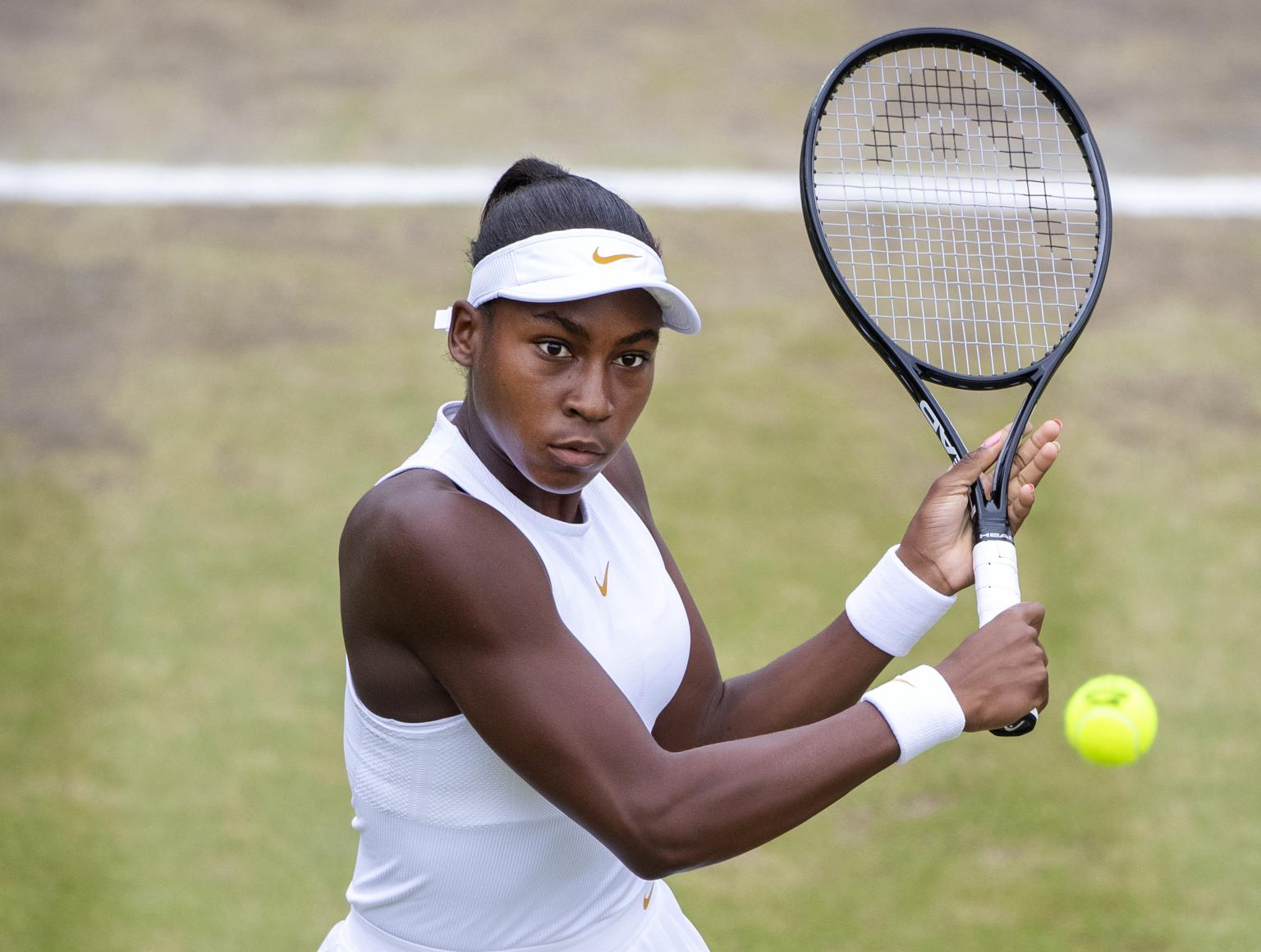
Coco Gauff. Wimbledon, 2019.

I sat up and watched the first half of last night’s Women’s World Cup Final between USA and Netherlands, and it made great viewing. I’m no soccer pundit but I have immense respect for the idea of the game as a platform for many things. Exercise, competition, entertainment – it’s been called the most popular sport in the world.

A source of extreme sponsorship deals and extortionate salaries, soccer’s unique blend of controversy and celebrity continue to guarantee it a levitated brand status amongst millions of young wannabe players or ageing supporters.

In the UK, football is more important to some people than religion, family, work, or any truly higher plain or life calling. Without soccer, for these disciples, life would fundamentally cease to have meaning.

Where you fall on the side of loving or despising the “Great Game” itself, 2019 will surely go down as the year that the world woke up and recognized just how wholly discriminatory the world of soccer has been towards women. That will simply now never be the same again.     Continue reading “Eyes on the prize”

Just Keep Going


img_2631
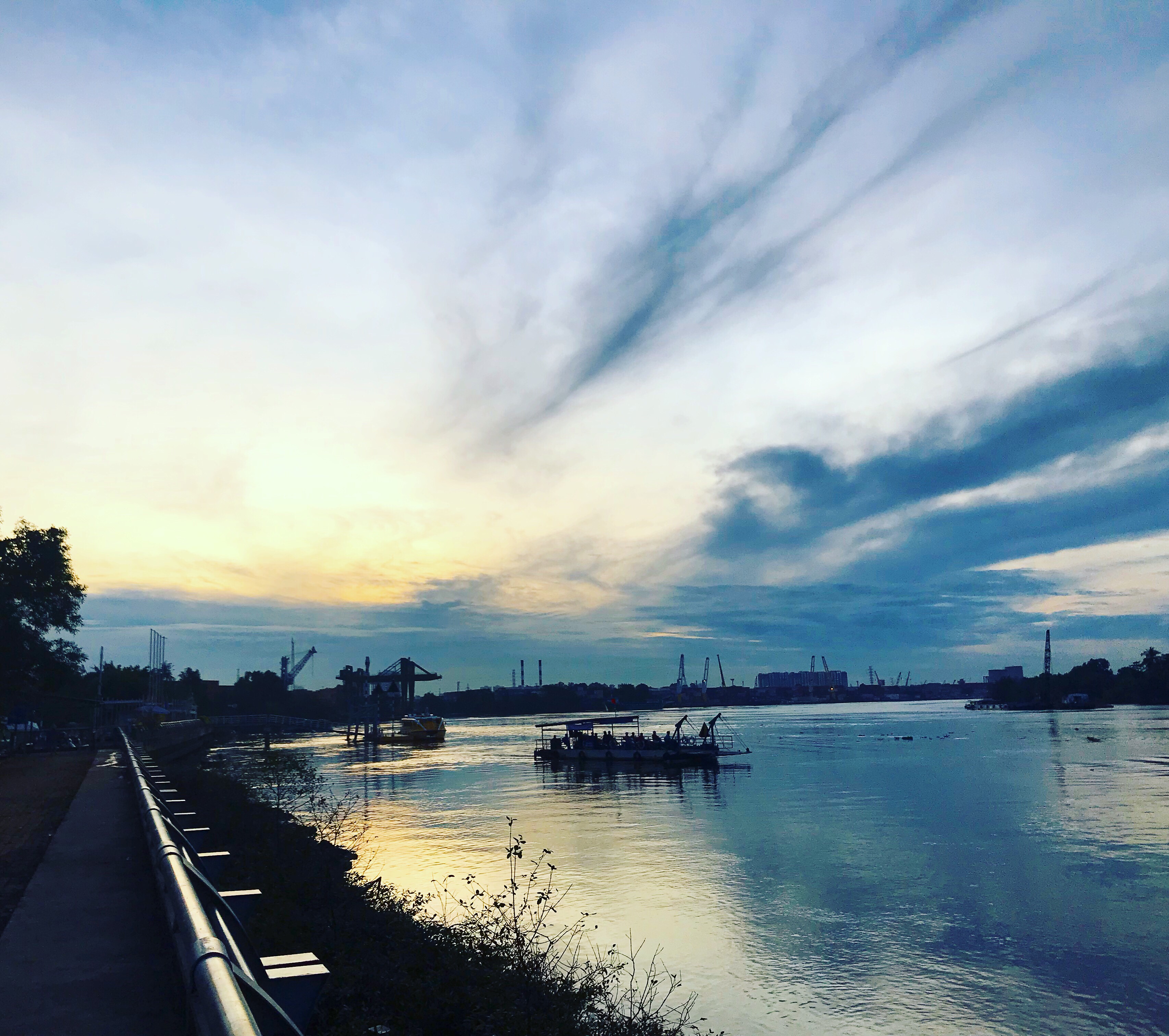
Last sunrise of 2018 in Saigon, complete with my favourite ferry crossing.

Happy New Year from Saigon!

There’s nothing like the arrival of January to spark action. Resolutions, I’ve had a few. The most plausible so far being a commitment to eat and drink more slowly, rather than inhaling meals and bottles of wine as if food rationing and prohibition laws were about to be imposed.

Less plausible resolutions include: writing more; drinking less; reading more; and looking at my phone less.

I say ‘less plausible’ in that I’m fairly confident of being able to strike a balance with objectives like these – it’s just a fear of setting myself up to fail by insisting on rigid, self-imposed restrictions. Moderation, it’s often touted, is key, but then so, too, is our ability to feel in control of what we are doing.

More’s the pity that, in many ways, I simply enjoy so many of these pursuits (including my job, and the ebb and flow of travel and time it requires) that I feel more practice is still required to find a useful daily cadence to accommodate all the ‘things’.     Continue reading “Just Keep Going”

Drawing Down

img_1685
Running in the forests of Siam Reap this weekend

Over the weekend I was in Siam Reap and, for whatever reason, found myself enchanted by the trees and the colours and the red earth. Not in any particular novel way, but in a way that connected to something I may have simply been ignoring for my entire adult life: that simple truth about the fragility of life and changing our own lives whilst we are fortunate enough to be here.

It’s not as if I haven’t been listening to the scientists and the campaigners. Even on these pages I’ve been known to write poetry about nature, have routinely made calls to action on various related themes, and posted pictures of me and my daughter 9 years ago taking part in a climate change march (the same daughter who now, aged 10, just returned from a school camp fully signed up as a pescatarian.)

So, you know, I talk a good game and encourage others to do lots (plus I now have one daughter doing her thing to contribute towards lowering the demand for meat) versus I fly 1,000s of miles every year, like a bit of air conditioning in the Saigon heat and probably, on most other climate friendly criteria, would likely score pretty poorly.

And yet, the science on climate change has been public for years now. As much as a decade ago, I remember seeing a campaign in the UK to highlight the effects of climate change on the poorest communities the world over. The strapline’s call to action being: “turn down the thermostat – it’s getting hot over here.” The accompanying picture was of a pastoralist with his herd of livestock, sweltering in the heat of an African savannah.

Wind forward to the most recent round of climate change headlines (momentarily competing on the front pages with the familiar and depressing daily churn and circus) and the news about our warming planet remains bleak.     Continue reading “Drawing Down”

Money is Power

centre
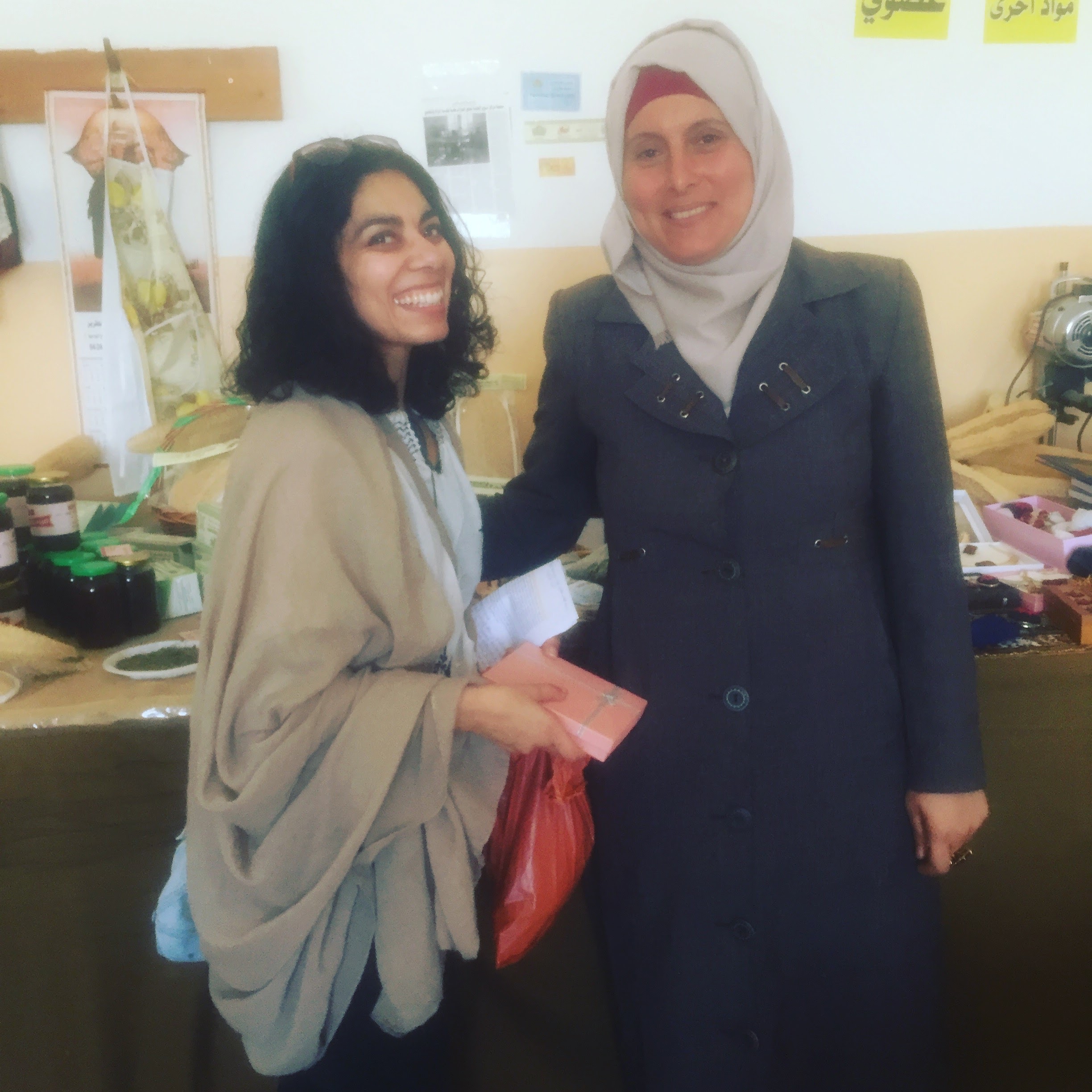
CARE colleague at a project visit to a Women’s Centre in the West Bank

What do you think of when you read the words ‘money is power‘?

Rich tycoons? Celebrity spenders? Men?

Maybe, maybe not. However, for the purposes of this post, let’s assume (and I believe there are solid grounds for such an assumption) that rich, powerful men represent a compelling ‘logo’ for the concept of money being powerful.

This post is about reframing that.

Now, CARE’s work is mainly couched in the language of poverty and injustice. These are far reaching and often misused words. I’ve written before about the way in which the international development sector overuses jargon, and we are still at it.

Within the wide parameters that ‘poverty’ and ‘injustice’ house, CARE delivers humanitarian relief, and we pride ourselves on our long term development interventions. More recently, we have been describing how we build resilience for communities.

There are then a bunch of derivatives used about each of these terms, which I’ll let you research yourself (as I’ve no doubt you now will).

This latest trend towards resilience is, in some ways, an attempt to combine the two historically distinct and typically separate areas of our work – namely, humanitarian relief and longer-term development.      Continue reading “Money is Power”