The Pendulum Effect in Corporate Culture

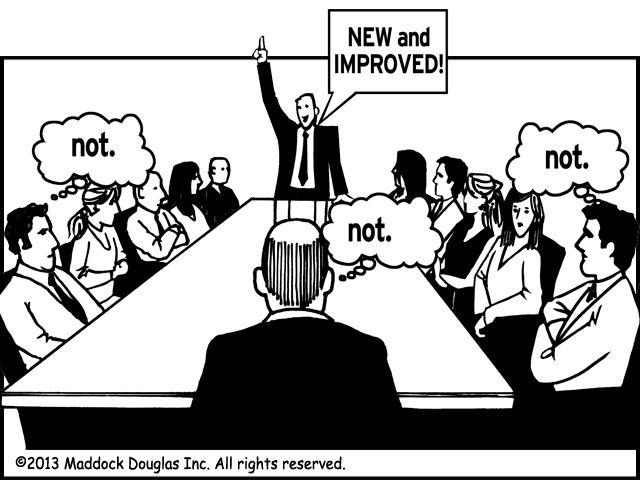
Trends have a habit of swinging like pendulums. First something is ignored, then it becomes important, then it becomes very important. Eventually it becomes so important that everyone talks about it endlessly – until the backlash arrives and people pretend they were never quite that enthusiastic about it in the first place.

Corporate Social Responsibility (CSR) went through this earlier in the 21st century, swinging through a melee of definitions and frameworks for quite some time. The moment that started to shift CSR into a new paradigm came in 2011, when the Harvard Business Review published Creating Shared Value by Michael E. Porter and Mark R. Kramer. Their argument was simple but powerful: companies should stop thinking about social impact as philanthropy and start seeing it as strategy.

In hindsight, I think this marked the moment when social responsibility stopped being a side activity and started edging toward the core of business strategy. I remember 2011 particularly well. It was the year I moved to Saigon and began attending – and occasionally speaking at – CSR conferences in Bangkok and Singapore. Suddenly everyone was talking about CSR being all about partnerships, collaborations, and how business could create both profit and social value at the same time.

CSR over here in Asia was cresting its wave back then, associated as it was with Porter and Kramer’s theory and less with the previous bolted on, and rather tokenistic, CSR practices. Much of the old, PR-centric ways began to lose their shine, finding themselves repeatedly accused of greenwashing.

While CSR still exists today as a function in business, I’d say those companies using it have nuanced how they describe it so that it comes across much more as a business model, rather than as an add-on. Which is what it was always intended to be.
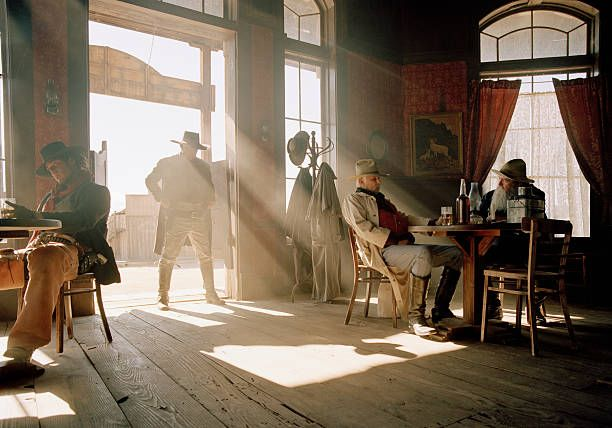
However, a fair number of years before COVID-19 was to strike, CSR was nudged aside by ‘Sustainability’. Riding into town like a gun-slinging John Wayne, and charging through the swing doors of every industry, blasting away the many offshoots of CSR that had come before it, Sustainability was the word of the moment.

Sustainability earned its spurs pretty quickly and still enjoys the spoils of a period that spans at least the last decade. Many larger corporations will tell you they’ve had sustainability strategies for longer that that, however it’s hard to always find compelling evidence for this.

As all-consuming concepts go, Sustainability covers a lot, and I don’t see it going anywhere for a while. More recently, it has been accompanied by its trusty side-kick: DEI (Diversity, Equity and Inclusion) galloping from pillar to post, infiltrating HR departments and budgets with training modules and policies.

To be clear, the business cases for all of these ideas have been well made. DEI has one – linked to ethics as well as business performance – and, as the constant digital transformation of our lives further advances, the blanket understanding of these concepts has gradually grown to a healthy level.

For a while there, particularly in the United States, the corporate world embraced DEI with extraordinary zeal. Statements were issued, targets were set, teams were established. Corporate websites began to resemble small manifestos about fairness, representation and opportunity.

None of this was entirely unreasonable. Businesses operate inside societies, and societies have been wrestling with these questions for a long time. But, as often happens when corporate enthusiasm meets social justice, the pendulum swung rather hard. I remember a period when DEI programmes multiplied rapidly and the language surrounding them intensified. Companies competed to demonstrate how committed they were to the cause. In some cases this then meant that initiatives became quite narrowly targeted – and occasionally clumsily implemented.

A recent article in the Harvard Business Review suggests that it wasn’t long after this, and in line with Trump’s second term being launched, that the lawyers started arriving. More than a hundred lawsuits have now been filed in the United States challenging corporate DEI programmes. Critics argue that some initiatives may themselves constitute discrimination, particularly when opportunities are reserved for specific groups.

Over the past year and a half, the tone has changed. Large American corporations have begun scaling back, rebranding or simply speaking less about DEI altogether. At the same time, it seems clear that a more conservative policy environment has taken hold in Washington and across parts of the Western world.

Does this mean the pendulum has swung back? I’m fairly confident that this latest pivot does not mean companies have decided diverse teams are a bad idea. Having spoken with various CEOs this year, many working in Asia, I’d say quite the opposite. Plenty of executives I’ve spoken with still recognise that organisations perform better when they can draw on a wide range of perspectives, experiences and skills. So, perhaps the problem was not the goal, but the packaging.

It often feels as though both the NGO and private sectors share a curious fetish for acronyms and jargon – one that tends to clutter the simple ideas sitting behind the labels. In my experience, what most organisations actually want is something much simpler. They want teams that work well together. They want leaders who understand different perspectives. And they want workplace cultures where people feel able to contribute.

These are not especially radical concepts. In fact, they have been the basic ingredients of effective organisations for about as long as organisations have existed.
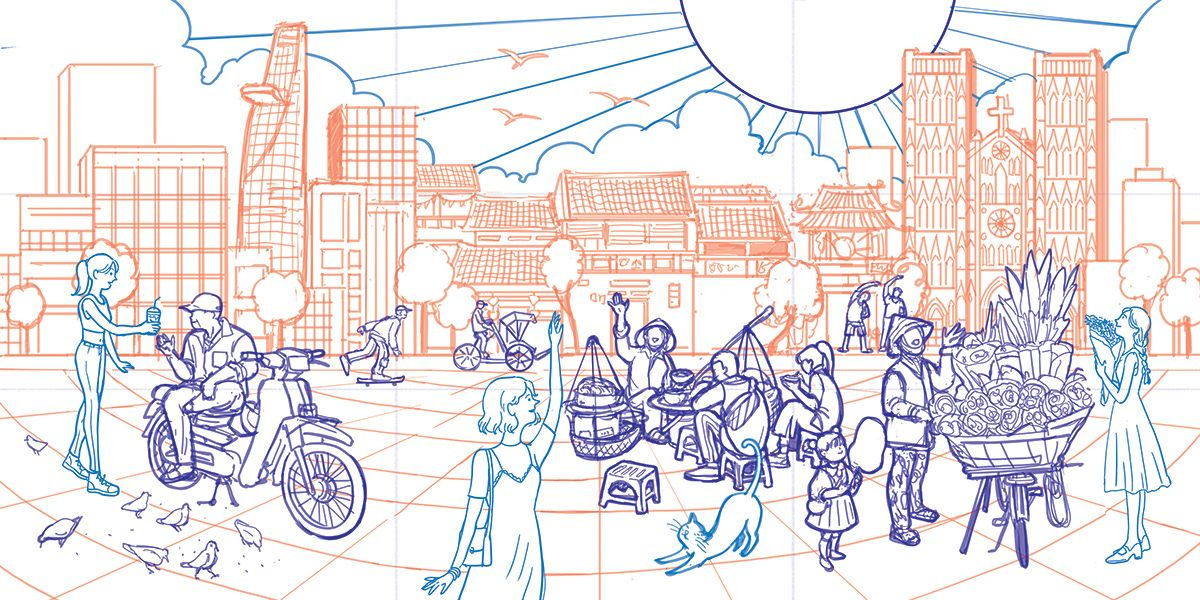
Which brings me back to Asia.

I’d posit that the pendulum swing here has been far less dramatic than in the West. One reason may simply be that the region has approached the topic with a little more pragmatism. In many Asian workplaces, diversity is not something that needs to be invented or theorised about – it is simply the daily reality of operating across languages, religions, ethnicities and generations. That tends to shift the conversation away from ideology and toward something far more practical, namely to help people collaborate effectively despite those differences.

While some large companies operating in the region have adopted DEI frameworks, the conversation has generally been more pragmatic and considerably less theatrical. Which, in turn, might be a fortunate position for them to be in now because, as the Western corporate world recalibrates its language and tone, I think Asian organisations will find themselves slightly ahead of the curve. Rather than importing culture wars from elsewhere, companies here can focus on how they build strong teams in complex, diverse workplaces. The task is not to invent diversity, but simply to manage it well.

Optimistically, the next chapter of this conversation may look straightforward, and devoid of quite so much ideological framing. Instead, placing more emphasis on leadership, collaboration and culture. And if organisations find themselves needing a little guidance navigating this gently rebalanced pendulum, well, there are the occasional small consultancies out there ready to help.

Take mine – Coracle Consulting – for example. We spend a surprising amount of time helping organisations think about precisely these questions: how teams work, how leaders lead, and how workplace cultures evolve. No acronyms required.

The pendulum will keep swinging. The trick, perhaps, is learning how to stay one step ahead of it.

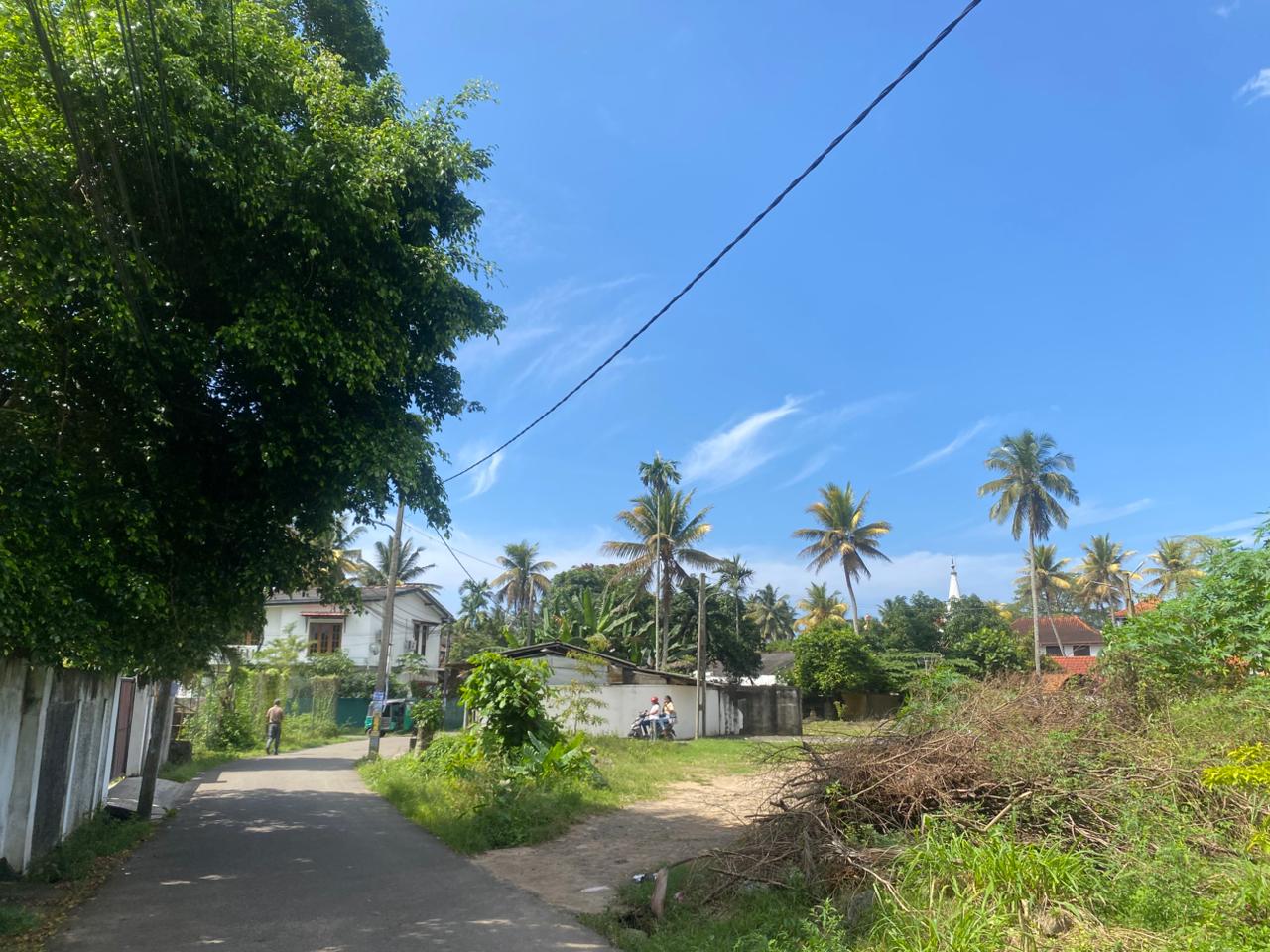
Post-Card from Sri Lanka | Lessons in facilitation

It was approaching midnight at the end Independence Day in Sri Lanka, earlier this week, and Issy and me were at Colombo airport watching the stream of incoming passengers make their way to immigration as we, in turn, waited for our departure back to Saigon.

As usual, our last twelve days gallivanting from Kandy to Colombo, and then down to Galle, were a time-warp of sorts.

Soon enough we were airborne and, as our plane arched it’s wings back over the island palms, the truth was, we weren’t really ready to leave…

Galle itself is having quite the time of it at the moment.

Today, the 12th Galle Literary Festival kicked off, for one thing. And then there’s the Australia cricket team, who embarked on their second test match today, just down the road from Galle Fort.

The “Lit Fest” goers were easy enough to spot on Tuesday at the airport – silver surfers, in zip-off khaki trousers, alongside a myriad of middle-aged flowing pony-tails and pastel block-printed shirts. The visiting Aussie cricket fans meanwhile wore their gold and green livery tops, beaming at the prospect of the days to come.

Sri Lanka is a special place for us. As well as bringing my parents and daughters here for my 40th, and marrying Issy in Galle in 2020, I first visited back in 2010, not long after the official end to the civil war. I was then lucky enough, through my work with CARE, to return time and again.

I’ve written plenty about the country (https://saigonsays.com/?s=sri+lanka + https://definitelymaybe.me/?s=sri+lanka) and I hope to always retain a connection with Sri Lanka. Perhaps even one day staying for longer than a fortnight.

On this occasion, in between the calm and serenity of either being up-country surrounded by highlands, or nestled by the ocean sipping a drink, I learnt a few valuable lessons connected to my work as a facilitator:

Lesson #1: Trust the Process.

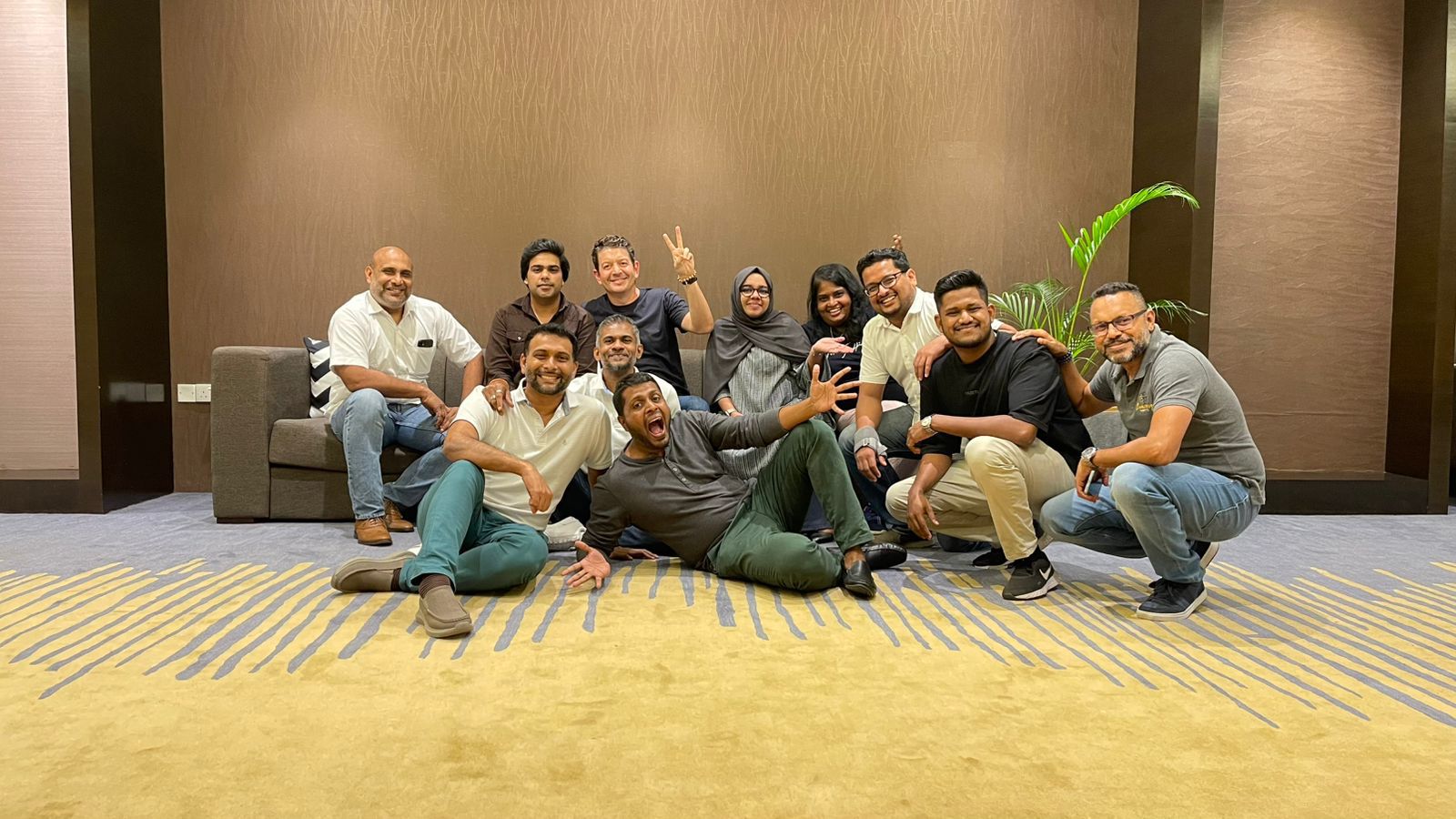
Whilst in Colombo, I supported a team from Luminary Solutions, a provider of training, consultancy and other services to the private sector, and currently charting an exciting new chapter in their company’s growth.

With all the digital tools we have today at our fingertips, I think it was the “in-person” time that the team and I spent over two days together that seemed to provide the right platform from which to align ideas, and build a set of actions and responsibilities.

‘In-person time’. Even the phrase sounds clunky these days.

Twenty five years ago I don’t recall using the phrase, no doubt because any time spent with other people was indeed spent in-person. It’s, perhaps, a daft sentimental point to make, but most of what was required with the team from Luminary last week, was helping create the rapport and the right enabling conditions from which to ideate.

We had fun together. We got to know one another. We listened to each other. The team had a shared purpose and took responsibility for future actions.

It sounds simple, and it was. In large part this was down to the readiness of the team for a change. It’s obviously a tougher challenge to find that groove with a team if their readiness isn’t there, but even without it, our sessions helped reinforce to me to “trust the process” – particularly when it comes to finding a group rapport first, and then worrying about the content and the ‘how’ part second.

With that in mind, we used the phrase of making “the first pancake” – the idea that, sometimes, you just need to get cooking, and see what you can produce. We all, intuitively, have a notion about how to make a pancake (what goes in it, how to heat the pan) even if the first one that we try to fold onto the plate often ends up in the bin.

So. Trust the process. And get cooking that first pancake.

Lesson #2: Storytelling Works.

I had the pleasure of meeting a new jumble of strangers on this trip, and spent time listening to their stories. Storytelling, it seems to me, can be a sacred past-time and offers a rich seam of connection to bind people together.

Last Sunday, as I alluded to earlier in the week, Issy and me were sat at midday, waiting to check in to our room on Dewatta Beach, a few clicks down the coast from Galle Fort. And then in walks Geoffrey Dobbs.

Geoffrey used to own the two houses in Galle that Issy and I married in, a little over five years ago now. https://saigonsays.com/2020/04/23/a-wedding-in-galle-part-1/

Arm and arm with the owner of ‘Stick No Bills’ (Liam, a long-term Sri Lankan resident, originally from Haversham in Kent) and, with some gentle assistance, Geoffrey plonked himself next to us, at our wooden picnic table.

A bottle of Prosecco emerged, and we were soon chasing this down with a flurry of beers, and eventually a rogue Bloody Mary, provided by one of the owners, known to Geoffrey and his pals as “Calamity John” – given the whirlwind of hopelessness that seemed to follow him around.

After five hours, and at least three rounds of “this is the last drink, and then we’re off”, we were left to check into our room while Liam organized a tuk to take Geoffrey further down the Galle Road, and onto his next social appointment.

Geoffrey arrived in Sri Lanka not long after leaving Hong Kong, just after the 1997 handover. He’s been a native to Sri Lanka since, and is credited with founding the very Literary Festival that is unfolding as I type this.

He has led quite the colourful life. A vivacious raconteur and socialite. A heavy drinker. I heard him referred to as “king” of the island by another long term expat the very next day. Whilst on Sunday he was a slowed down version of the host we met in 2020 on our big day, he remains a fascinating person to suddenly find sat next to you on a Sunday afternoon by the beach.

He only managed to spill one full glass of wine over me, and briefly flared up at the mention of a few bygone characters, but otherwise he listened to our stories, he cracked jokes, and he clearly has accumulated a group of friends who have his back, for the time he still has left.

Liam, in particular, merrily drew from a quarter of a century’s worth of anecdotes and banter shared with his friend, and we were laughing out loud at some of the memorable moments he described to us.

Much as with friends I have of similar vintage, these core connections run so deep that, all you ever need to do, is sit down next to one another and let the stories flow.

That afternoon with Liam and Geoffrey (and in end a third long-term islander with a thick London accent, and who we named ‘Avo Adam’ – I cannot remember why) we were in a happy bubble, allowed access to the realities of these strangers, to their reflections, to their learnings, as well as to some of the chaos of their past and present lives.

Stories and story-telling are powerful connectors.

Tomorrow, with Geoffrey no doubt centre stage somewhere at the Lit Fest, a fellow member of the Chrysalis Board, Vidusha Nathavitharana, and the Founder of Luminary, who brought me over for the work with his team, will also be speaking about leadership and the books he’s written on the topic (see link below).

I’ve no doubt that Vidusha will also use stories to get his ideas across, and to connect with his audience.

I know this too well, as our first night in Sri Lanka on this trip was spent at his house, some miles up into the forests of Kandy. A stunning space that he and his wife, Rowena built, and which set us up, from the very moment we stepped off the plane, on the right footing and into a world of new stories and insights.

If you’re in Galle this weekend, go see him and have a listen yourself – I assure you you’ll not regret it!

https://www.linkedin.com/embed/feed/update/urn:li:share:7293106083777191936