Tacloban: Exposing “middle-income” country realities

effr
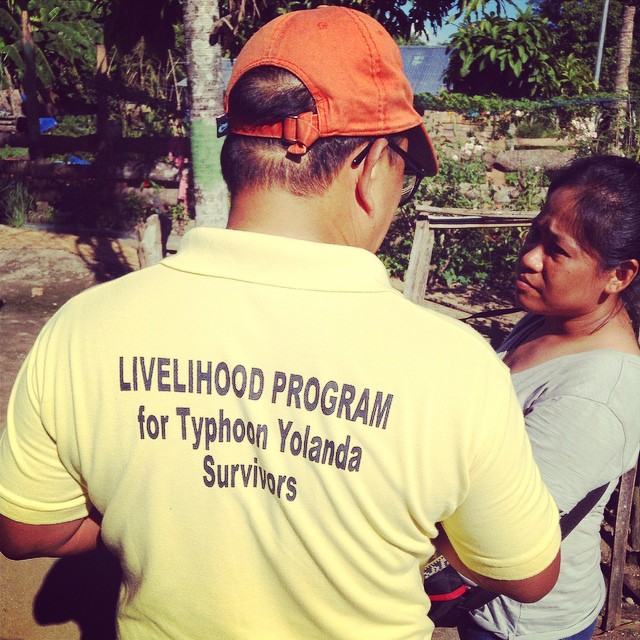
CARE’s shelter team with local communities in rural Tacloban

I am on my way home from a visit to Tacloban, in the Philippines, one of the country’s most damaged districts following the carnage caused after Typhoon Yolanda swept through some of the nation’s poorest communities last November.

The Philippines has been classified by the World Bank as a “lower-middle income” economy. Middle-income economies are those with an annual GNI (gross national income) per capita of more than $1,045 but less than $12,74.

Other countries in Asia Pacific who share this classification with the Philippines include Vietnam, Sri Lanka and Indonesia. “Upper-middle income” economies nearby can be found in China, Malaysia and Thailand, whilst the likes of Cambodia and Myanmar are “low income” status.

Meaning that, on the surface of things, the Philippines’ economic gains in recent years, and its growing numbers of new middle-class citizens, represent an optimistic narrative. Its capital city, Manila, stands as a beacon of commercial potential to the private sector, host to a recent World Economic Forum summit, home to some of the world’s most famous, and infamous, global retail brands. Busy, built up, urban Asia. Opportunistic, dynamic but, in fact, wholly deceiving.

Turn this promotional pamphlet over and what lies beneath is, at best, a flimsy and precarious reality… Continue reading “Tacloban: Exposing “middle-income” country realities”

Sri Lanka: preparing for a future without international aid

image
“Up-country” on a Sri Lankan tea estate

During what was recently my fifth visit to Sri Lanka in as many years, my taxi driver picked me up at the airport in a Honda Prius, with the air conditioning set to “glacial” and the FM stereo blaring out 1990’s classics.

On closer inspection over the course of the next eight days spent in Colombo, and also “up-country” on tea estates, it was clear that not every aspect of the nation was motoring on hybrid fuel and gyrating to the sounds of Take That. However, change is occurring here, for a country still only five years free from a long standing and debilitating civil war. The question remains, how positive might that change be for every Sri Lanka citizen, and how can inclusive growth for all be created in the future?

With Honda Prius taxis also comes an array of international fast-food joints, peppering the main streets of the capital, and beyond, and ensuring Sri Lanka’s “middle income” status and advancement towards that end goal to which so many Asian cities are now succumbing: modernisation. Continue reading “Sri Lanka: preparing for a future without international aid”

What can CARE do for business?

image
The ‘interwoven’ nature of CARE’s approach to development

Last week I was in Islamabad, supporting the efforts of the CARE International team there, who have led a very successful set of engagements with the private sector to address social issues in Pakistan. In a country beset by a number of political and social tensions, CARE have decided to flip the traditional paradigm of not seeing what companies “can do for us” but, instead, what “CARE can do for business”. A bold move, and one which is so far paying dividends. 

Whilst you can still find ardent members of the international climbing fraternity hacking their way precariously through road blocks and using unofficial routes, to climb some of the country’s spectacular mountain ranges, it is common enough knowledge now that Pakistan’s tourism industry is far from booming. Continue reading “What can CARE do for business?”

The Future of CSR?

image
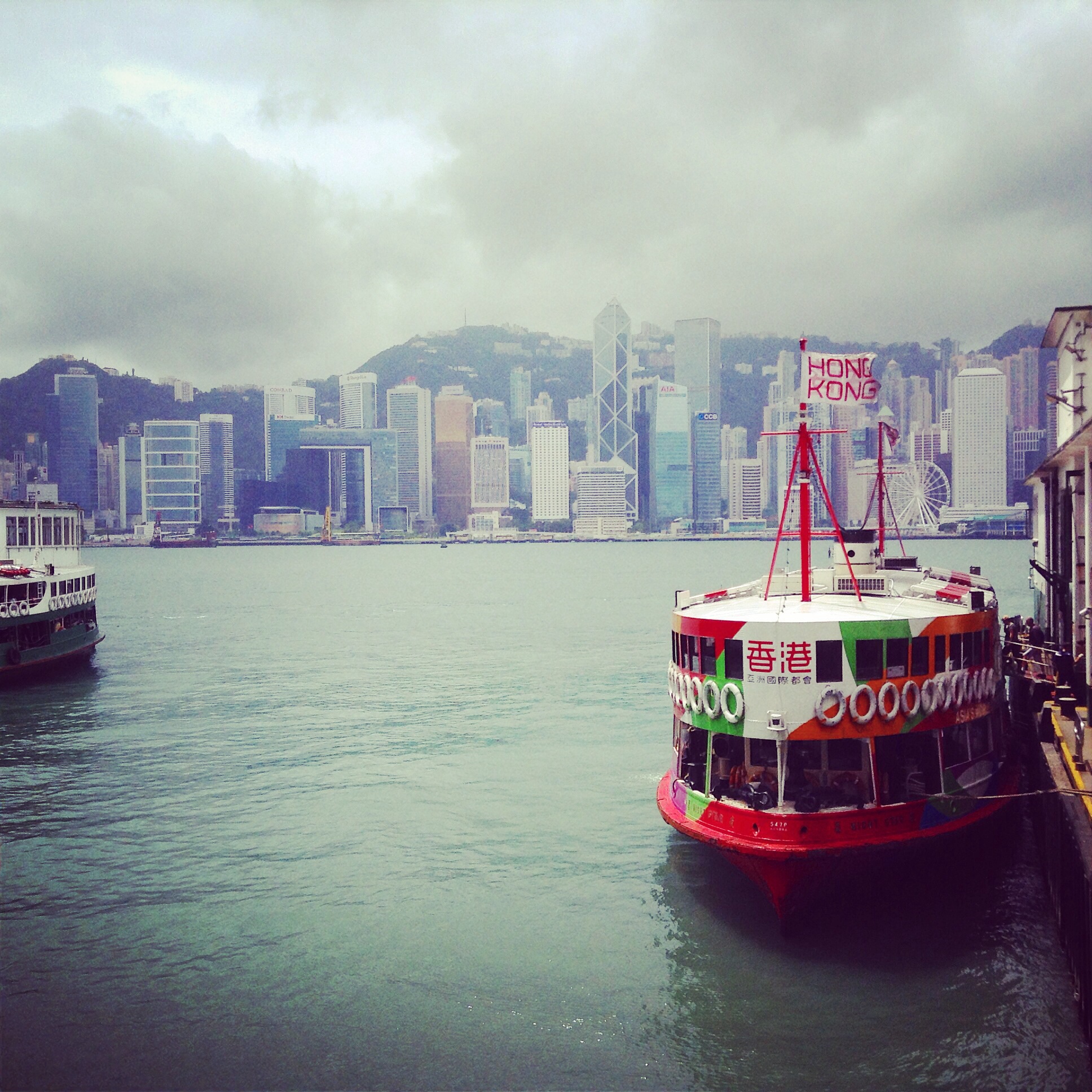
Hong Kong’s imposing skyline just before the typhoon

The sight of Hong Kong’s vast oblong buildings, stood proud and squashed in front of a backdrop of dark green mountains and low lying clouds, never ceases to take my breath away.

That McDonalds and Starbucks franchises exist in great numbers, alongside century old tea houses, underneath these imposing corporate towers, makes the city one of the ultimate “East Meets West” urban epicentres.

There is a constant shuffling of life to be found at street level in Hong Kong, a happy human beat of old and young, rich and poor, foreigner, tourist, and the local shoe-shiner, all jostling through their everyday tasks, zigzagging between narrow alley and subway, the Kowloon trams and the famous Star Ferry.

I have been in town this week to speak at the annual CSR Asia Summit, holed up, as these things always are, in varying degrees of 4 or 5 star hotel finery, glacial air conditioning and windowless rooms. Continue reading “The Future of CSR?”

The MDGs: Fit for Purpose?

Photo credit: @Samuel Jeffrey www.nomadicsamuel.com
Photo credit: @Samuel Jeffrey http://www.nomadicsamuel.com

The Millennium Development Goals (MDGs) have helped switch on our collective consciousness to social and environmental issues affecting millions of the world’s population, and we should applaud this headline.

Since their establishment in 2000, the MDGs have played a catalytic role in shaping a new international development paradigm.  They’ve raised awareness about global issues in a profoundly effective way and led the charge for more collaboration – across countries and across sectors – to tackle these issues together.

However, one inevitability of setting ambitiously high targets is the unavoidable risk of falling short, hence the daily commentary about the impact the MDGs have actually had, in delivering positive change to people and to planet, predictably paints a mixed picture of both successes and failures. Continue reading “The MDGs: Fit for Purpose?”

Linguistic spaghetti

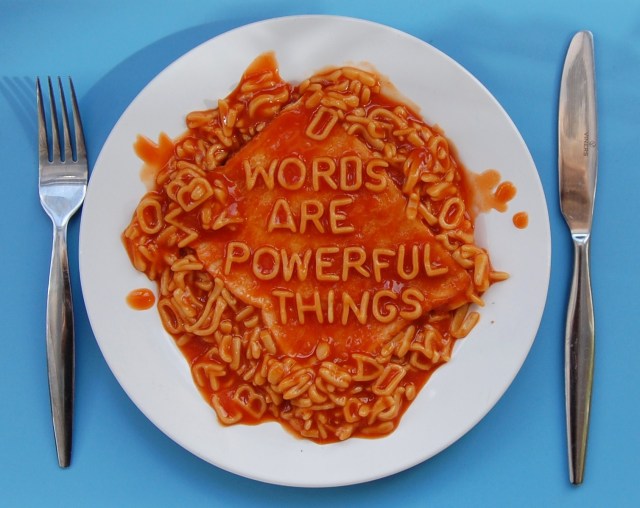
imageAs someone who has clocked up seven years working in the “aid industry,” I am full to the brim with jargon that I continue to fear means nowt (this is Yorkshire jargon for ‘nothing’ – ‘nil’ – ‘zilch’ – ‘sweet FA’) to anyone not in the know.

For much of the time anyway, those of us in the know, aren’t.

Sure, every business sector has its own nuanced vernacular, too.  The “triple bottom line”.  A “bear” market.  Acronyms galore, whether you are a Wall Street trader, a civil servant, or a quantity surveyor (whatever it is that they do again.)  We all wallow in our respective, tribal refrains.

I have given my best shot over the years to understand what half my mates back in London do working in “the city”.  From memory there are definitely lots of ‘fund management’ types in there.  Maybe some stuff linked to Risk as well.  I keep trying anyway, politely asking fact seeking questions and crossing my fingers that I can remember what it is Ernst and Young do.  I know they are called “E&Y”.  This much I am certain.

And, yes, their eyes glaze over when I talk about sustainable development (in fact I don’t even tend to use these two words given, as continues to be broadcast on development sites these days, it is quite clear no one really knows what sustainable development actually means.)

Let’s assume that these semantic idiosyncrasies are set to stay.  I see no practical reason to deny them to any business, sector, industry, rugby team, local community, or even any NGO, such as CARE.  Just to clarify: an NGO is a Non-Governmental Organisation, although speaking as a CARE employee I can confirm we have also been described as a humanitarian organization, an international development organization, a non-profit, a not-for-profit, a charity, a social development organization…you see where I’m going with this…

So, the Secretary General of the United Nations, Mr Ban Ki-Moon, makes the Guardian development pages at the moment http://www.theguardian.com/global-development/2013/aug/16/ban-ki-moon-development-aid-decline promoting the case for increased ODA (Overseas Development Assistance.)

“Well, he would do that, wouldn’t he?” might be a valid retort to such a promotion…

However, in doing so, he lays out the cornerstone themes that will underpin successful (and sustainable) development for the world – “decent employment, inclusive growth, good wages” – each to be supported by “renewed global partnerships, grounded on the values of equity, solidarity and human rights.”

As someone promoting the role of business in the international development agenda, its encouraging to note the intrinsic links made between what the Sec Gen is proposing, and the helpful way in which a vast chunk of these are reliant on responsible business development – which makes me feel good that CARE is so focused on leveraging business.

However, the main voice in my head just wonders what a fund manager, a risk analyst, a teacher, a tinker, tailor, soldier, spy (you see where I’m going with this…) would make of such statements?

How can we break down some of the silos here?  And then, how to prioritise, in round terms, what comes first?  Where should all this ODA money go and how should it be spent for maximum impact?  Is it good enough to just create jobs, without addressing the ethnic diversity and conflict rife in a particular place?  Do we need: more schools; better trained teachers; more accessible medical services; more women “leaders”; better water and sanitation in urban slums; better mobile coverage in rural areas; environmentally friendly products?

Well, we need all these things.  Easy answer.  And “development” has come a long way in a short (ish) time period, and helped us understand the natural connections between the list above.  The need for a more holistic approach to tackle big problems.

So, to be clear, this is not a “does Aid work?” post.

But, if our baby steps over the past 60+ years have walked us down the front drive, then we still have a long way (at least to the service station on the corner, several blocks away) before equilibrium is reached – across all things.  And I think it is a level playing field concept I most warm to, as I continue to describe and (try to) articulate some of these themes and considerations.

It has to be about equity, and better access.  Access to money, to a livelihood.  Access to information, access to a voice in society that can be heard, and to which there will be a response.  All of such things help society push for accountable and compliant government, business, and the rest.  It is about closing the gap, between rich and poor, male and female – and so on – but also between each other.  Individuals.

And it starts with communication.  Finding the best way to communicate, and the better words to touch someone else’s thoughts and feelings and actions.

Equity, access, but also – intuitively and refreshingly – it has to be about love, tolerance, and understanding.  Whilst we might never become brilliant piano players, sporting greats, or Nobel Peace candidates, every one of us has each of these three characteristics sat waiting to be set free.

If you have found this site via Freshly Pressed, then thanks so much for making it this far down my musings on ‘jargon’ – for anyone interested in what life is like living in Saigon, Vietnam, and traveling around this wonderful region of the world, then check out my other blog www.saigonsays.wordpress.com and, in the meantime, good luck to all the fantastic writers out there.  It was great to connect with you.

Musings on CEO salaries (from a Vietnamese noodle bar)

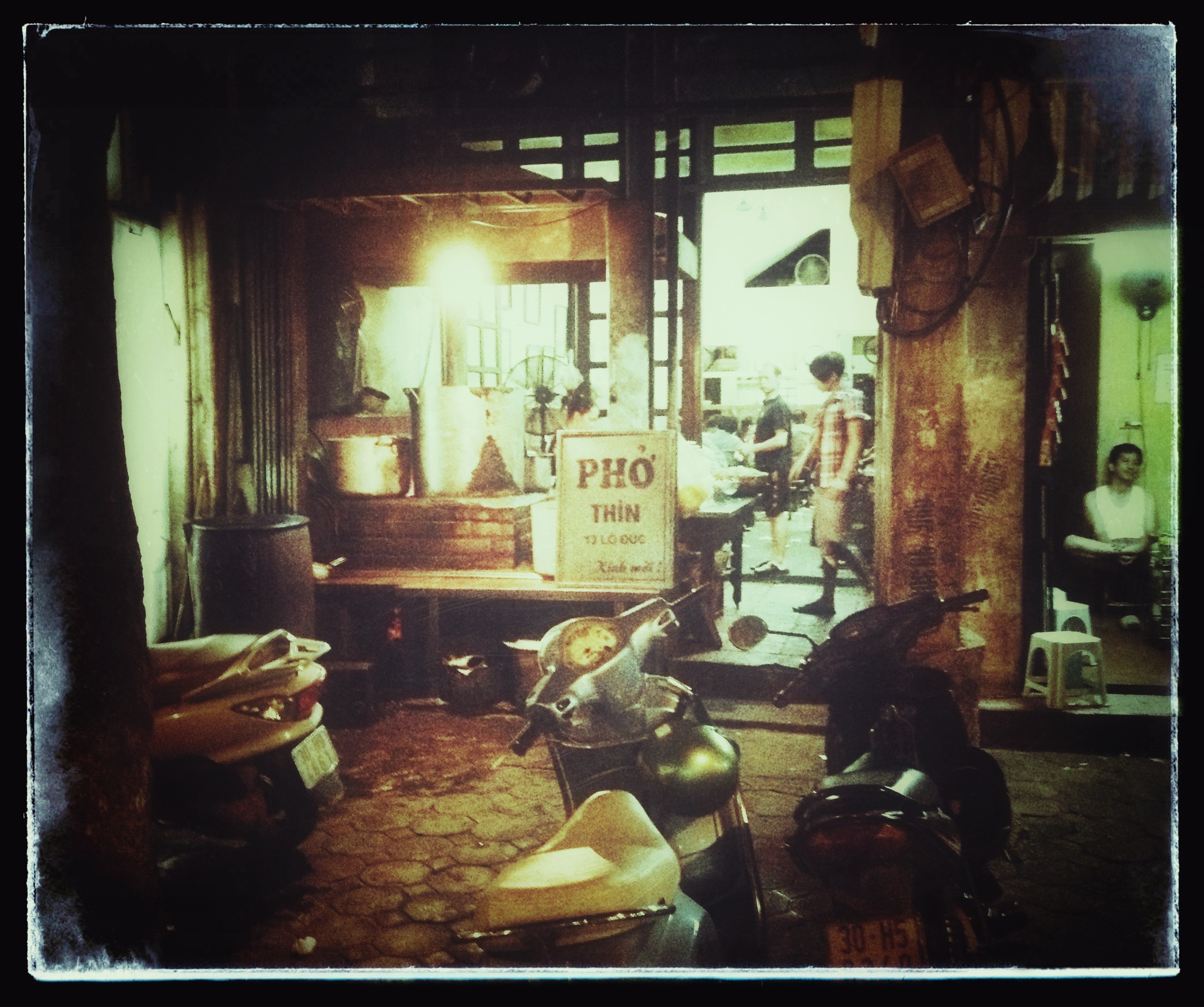
A spurious link at best between this photo and this post...that said, damn fine noodles are to be had here, next time you are in Hanoi...
A spurious link at best between this photo and this post…that said, damn fine noodles are to be had here, next time you are in Hanoi…

Already two months have past since I posted here about Fair and Lovely cream whilst I was working in India.  Various travels have kept me busy since that time (documented in part over on www.saigonsays.wordpress.com).

Suddenly August is in full swing.

Sparking my curiosity enough to open up these pages once more, is a piece in the Guardian, unpacking the seasonal debate we like to have (and perhaps the “we” inferred here – the UK – are not alone in this musing?) about the large salaries paid to CEOs of international NGOs, such as the one I have been working for these past seven years. Continue reading “Musings on CEO salaries (from a Vietnamese noodle bar)”

Raising the bar on tax

fundraising_power_of_one
What can you do today that will make a difference?

George Osborne, the UK Chancellor, was front page news yesterday, receiving positive plaudits from Action Aid and the ONE Campaign, as well as from other organisations also not known for being routinely generous with such public praise.

The story in question centres around how large corporations have skillfully dodged paying taxes to poorer countries in which they conduct business.  Osborne used his attendance at a G20 meeting of finance ministers to make UK Govt commitments to a “new agenda of transparency” that will move towards stamping out skillful tax dodging by said corporations.

At the same time, he took the opportunity, quite rightly, to reinforce his government’s own pledge to increase to 0.7% (of GNI – gross national income) the funds it spends on international development programmes around the world.

The argument against increasing this UK “aid” budget has been made time and again since the Conservatives took office nearly 3 years ago, and no doubt Osborne’s piece in the Observer will not go down well with many.  Whilst 0.7% is a small percentage compared to other government budgets, it still amounts to tens of millions of pounds of tax payers’ money.  All other public sector budgets have been cut and, last year, the UK economy flat-lined, triple dipping back into recession. Continue reading “Raising the bar on tax”