Sitting Down So Others Can Stand

Those of you familiar with my writing will know I love the chance to hat-tip an anniversary.

As well as today being the first day of the last month of the year, it is also 70 years to the day since Rosa Parks refused to give up her seat on a bus in Montgomery, Alabama – and was arrested for it.

Back in 2018, I spent time in the United States for work, travelling through the South, visiting museums, memorials, and sites of the Civil Rights Movement. It was one of the most affecting trips of my life.

I wrote about it at the time, and re-reading that text over the weekend reminded me how fortunate I was, back then, to have a job that enabled me to make that trip in the first place.

It dawned on me too that, since leaving CARE International in late 2019, some of my focus has – perhaps inadvertently – shifted.

While with CARE, I was afforded daily access to issues of social rights, well-being, injustice, gender inequity – a myriad of interwoven concerns that constantly reminded me of my own privileges.

Since becoming a freelancer, it feels like I’ve turned much more inward: to the work at hand, to the immediate need to secure the next contract, the next rent payment. And this has often been at the expense of expanding my understanding of those deeper issues I knew so well, only a few years ago.

On that 2018 excursion I met some incredible people – one of whose work was introduced to us when we visited the Equal Justice Initiative in Montgomery, which he founded. His name is Bryan Stevenson, and he’s an American lawyer and social-justice activist, who has spent decades challenging racial bias in the criminal-justice system.
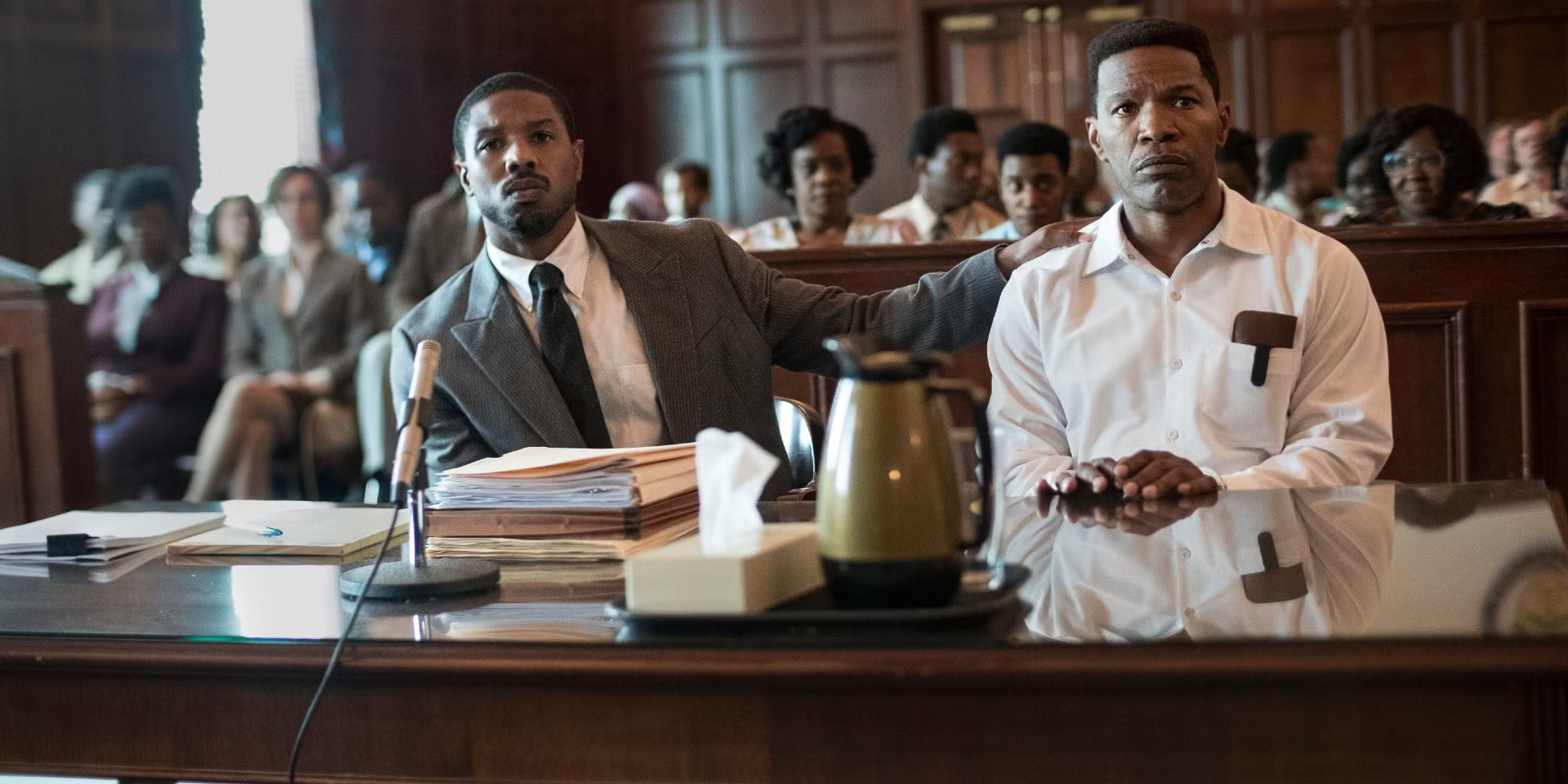
In his book Just Mercy, Stevenson writes about the many hundreds of young Black men he has defended. I remember his staff showing us around the Institute, and wearing T-shirts with a quote from Stevenson emblazoned on the back:

The opposite of poverty isn’t wealth. The opposite of poverty is justice.

When Rosa Parks refused to give up her seat that day in 1955, she lit a fuse for a year long boycott that ultimately overturned segregation on public transport in Montgomery.

Her defiance is remembered as iconic. Hers, like Luther King’s, was a moment that changed history.

Rosa Parks’s story and legacy suggests to me that bringing about change is rarely born from comfort. It comes instead from friction, from disruption, from relentless organizing. Sometimes, as in her case, from all of the above combined.

Revisiting this, I’ve read more about how, at the time, many mainstream newspapers and officials framed Rosa Parks as tired, weak, and elderly: a harmless “grandmother figure” whose feet simply hurt.

That narrative was constructed deliberately to make her protest easier for the wider public to digest. In doing so, the narrative then became easier to sanitize, and easier to depoliticize.

But the truth is more powerful. Rosa Parks was 42 years old – not frail or dithering. And, as she later said:

The only tired I was, was tired of giving in.

Long before that bus ride she was already a seasoned activist. She was trained in non-violent resistance, she was connected to organizers, and she was committed to racial justice.

By 1955 she had been deeply involved in civil-rights work and had supported earlier landmark cases of injustice – including the defense of the Scottsboro Boys, a group of nine Black teenagers wrongfully accused of rape in 1931.
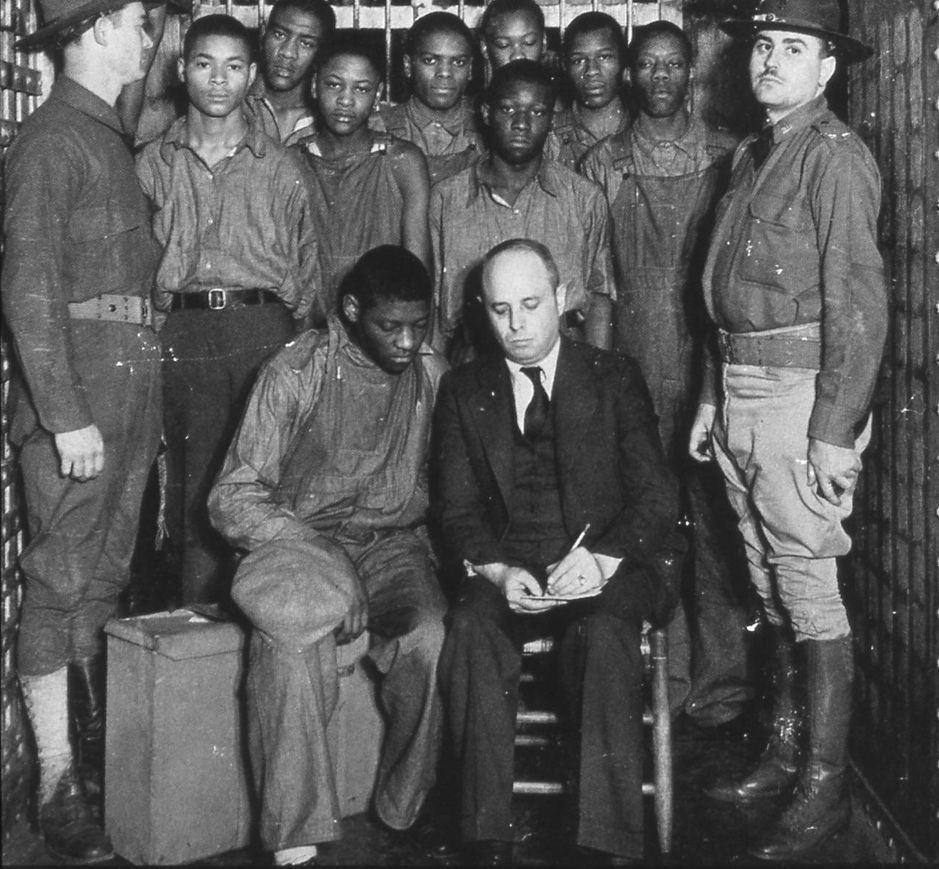
Their rushed trials at the time – complete with all-white juries – and their near-execution, exposed the brutal racial injustice of the legal system, and very likely shaped Parks’s understanding of what it meant to fight for justice.

Her refusal on that bus was not a spontaneous act born of fatigue. It was a strategic, courageous choice by someone who understood exactly what was at stake – as well as how much work still remained.

I don’t know how much Rosa Parks, or any of her peers at the time, believed there was an alternative route to justice than the one they took. What seems more truthful is that their actions were born out of necessity and fierce conviction. They acted not because it was safe, or convenient, but because it was right.

Today, at the beginning of the end of another year, I’m struck by how easy it is, in our everyday lives, to drift toward comfort. We focus on earning, and planning, and surviving – this is what we do, these are the things we use for structure, and for our milestones.

And, while I don’t see how to get around some of these inevitably important components in one’s life, I do wish personally I’d spent more time of late listening and learning from those others out there, who have leant hard into the practice of intentional solidarity.

I’ve found myself proactively turning away from reading more about some of the ongoing turbulence in the world. And in doing so, missed opportunities to be inspired by all the many other “Rosa Parks figures” in the world: individuals, often far away from our lives, bravely doing things differently, guided by resolve, endurance, and principle.
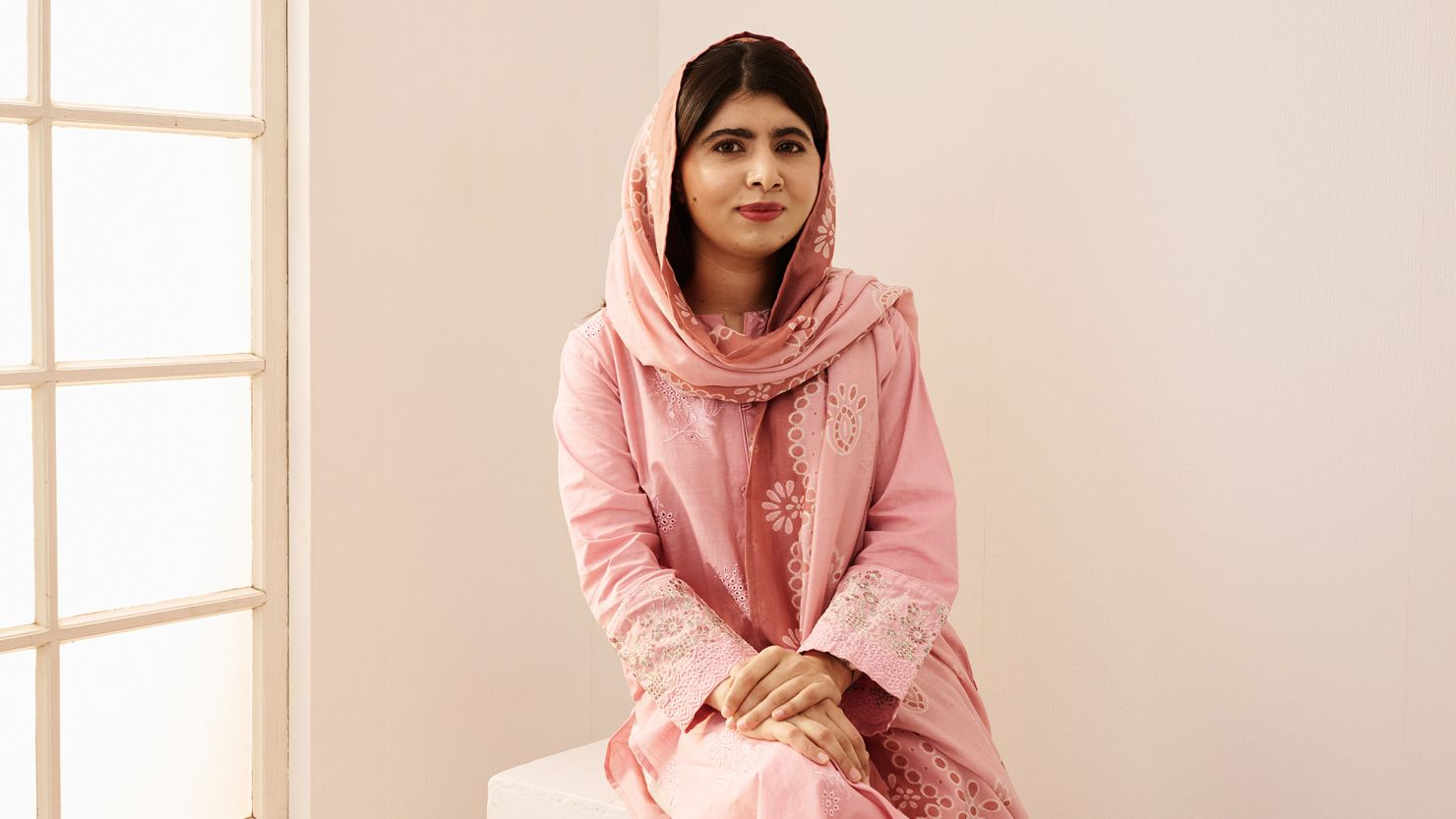
One of them is Malala Yousafzai. Even now – years after surviving a brutal attempt on her life, and years after winning the Nobel Peace Prize – she continues to remind the world why education is not a privilege, but a right. When I first learnt about her story she immediately inspired me to write about some of the issues she stood up for.

Looking her up now, it’s thrilling to read that through her ‘Malala Fund’ she continues to supports girls, particularly those in conflict zones or under oppressive regimes. She is helping them complete their secondary schooling, stand up for their rights, and ultimately claim the futures that too often are denied to them.

Although she has repeatedly spoken out about the dire situation facing Afghan girls, this year she went to Tanzania to convene activists around a range of similar issues – from girls’ education and child marriage to digital inclusion and climate justice.

To me, Malala is another history changing icon. In some ways, she stands as a bridge between the legacy of 1950s civil-rights movements and the contemporary realities that my work with CARE also brought to life for me: global inequality, gender injustice, and the woeful disenfranchisement of entire generations of girls.

I’m very grateful for the chance to regurgitate some of the lessons I took from that US trip seven years ago, and to commit more in my life to reach beyond convenience, to pause, to read, and to listen much more to voices I don’t normally hear.

Just because we’ve got used to the media peppering us with images and stories of characters who couldn’t behave LESS like those I’ve written about here today, it doesn’t mean we have to take any lead from them, or from what they represent. If, instead, we have to go back in time to find better role models and more worthy solutions to social inequalities, then so be it.

Rosa Parks, Martin Luther King Jr., Malala Yousafzai: these should be the trend-setters of today, the influencers in our lives.

I will always applaud them, and all the many others out there like them – people who refuse to accept easy comfort, when it comes at the cost of justice.
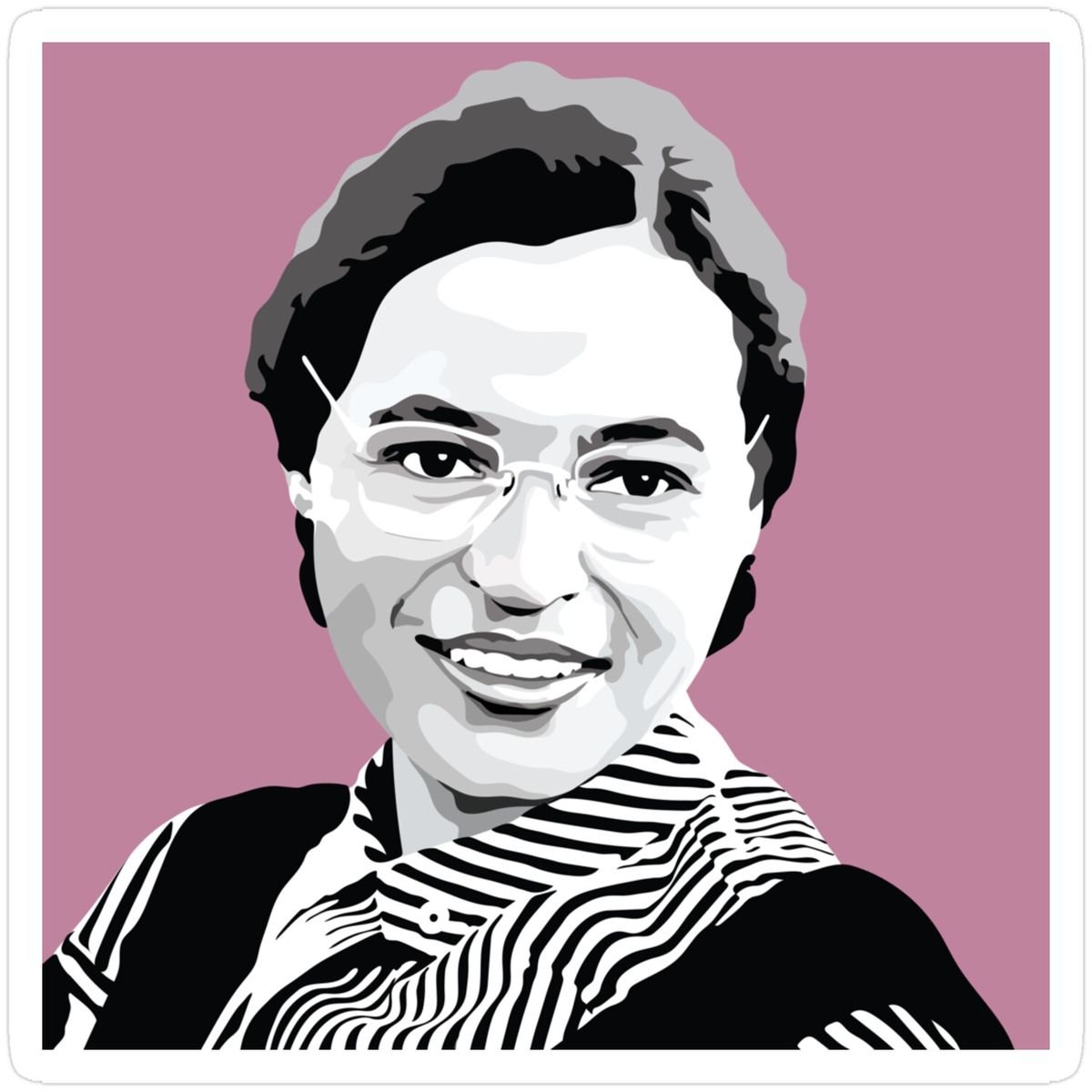
You must never be fearful about what you are doing when it is right.

Rosa Parks (Feb 4, 1913 – Oct 24, 2005).

Turn Debt into Hope

https://walletgenius.com/loans/why-debt-relief-plans-might-be-better-than-debt-consolidation/

Do you remember much about what you were doing twenty five years ago? Maybe you can recall how you spent that final New Year’s Eve of the 20th century?

Fun fact, that specific NYE, with only an hour left until midnight, I found myself responsible for introducing an old school friend to the woman who turned out to become the love of his life.

Anyway, while some of us were downing drinks and match-making at a bar in South West London, others were galvanizing global attention about world debt, and its impacts on least developed nations. The Jubilee 2000 movement led that charge at the time, their efforts leading to the cancellation of over $130 billion in debt for 36 countries.

A monumental effort which enabled nations to redirect funds toward critical sectors like health and education, offering millions a pathway out of poverty. But, fast forward to 2025, and the call for debt justice still resonates, only things have got worse.

I’ve been working recently with Caritas International, and have come to know about the launch of their “Turn Debt into Hope” campaign, urging the cancellation of unjust and unsustainable debts that, to quote from their website, “hinder nations from investing in their futures.”

From some quick research it seems that, back in 2000, the total external debt for the world’s Least Developed Countries (LDCs) was approximately $150.4 billion. External debt today, for the 31 poorest, high-risk countries, has now topped $200 billion. We’re seeing the highest burden of debt in 30 years.

​This increase means that even more substantial chunks of money from the world’s poorest governments are being diverted away from public sector needs and, instead, allocated to repaying these debts.

When you then consider other ‘crises’ that encroach upon a country’s economy – be it the slow onset ramifications of conflict, or the rapid emergency of an earthquake (much like the one Myanmar experienced a week ago) – it becomes impossible to see how these debts will ever be repaid.

In the aftermath of a crisis, economies dive, job losses occur, inflation prices scupper spending, and a whole myriad of other economic outcomes conspire to spiral a country out of all control.

Waking up this morning to the news of Donald Trump’s sweeping tariffs (which includes a 10% baseline on all imports, and higher rates on key trading partners such as China (34%), the EU (20%) and a whopping 46% here in Vietnam) it is obvious these escalating trade tensions will only lead to market volatility, to fears of a global economic slowdown, and the inevitably unequal impacts of that on so many of the world’s developing countries.

It’s a brutal, cruel economic conundrum, because it is the most vulnerable communities who face the highest threats.

As I’ve been prone to highlight here many times before now, I believe the role of the private sector to be key in these debates. And yet, too often, these conversations happen without the private sector in the room.

That needs to change. Companies are increasingly recognizing that their long-term success is intertwined with the well-being of the communities in which they operate. Engaging with initiatives that promote economic justice, such as “Turn Debt into Hope”, aligns with corporate commitments to Diversity, Equity, and Inclusion (DEI).

By advocating for, and participating in, debt cancellation measures, businesses can play a role in contributing to the creation of more stable and equitable global markets. All of which, ultimately, benefits everyone.

Twenty five years ago, the Millennium Development Goals (MDGs) set out a charter, with a fifteen year timeframe. The MDGs sewed into their narrative this inference about partnership and the role of the private sector, however it’s been a slow process to bring business to the table.

Genuine collaboration takes time, and today we need to keep banging this same drum, hoist up this same flag, and loudly promote why multi-stakeholder collaboration, that includes business, can be instrumental in addressing both immediate financial injustices, while also laying the groundwork for sustainable development.​

The principles that the 2000 Jubilee Campaign champion are more pertinent than ever. We’re experiencing an era marked by economic uncertainty, by geopolitical tensions, and by ongoing climate crises. Debt cancellation is a crucial lever for promoting stability and prosperity, and we cannot wait another quarter of a decade for action in this space.

The children of my old school friend, who met his future wife on New Year’s Eve in 2000, are already in their twenties. Theirs is the generation now grappling with the implications of a world that procrastinated over its responsibilities.

Do please consider donating to any of the organisations currently providing humanitarian assistance to communities in Myanmar affected by the earthquake – here is one.

Private Sector Engagement in Southeast Asia: The Moment for Bold Action

For fourteen years, as long as I’ve lived in Saigon, I’ve been blogging about ‘Private Sector Engagement’ – its evolution, its setbacks, and its vast potential to drive social and economic change. Time and again, I’ve emphasized one thing: alliances with business are not just beneficial, they are essential.

Yet, at a time when global companies are facing political pressure to roll back Diversity, Equity, and Inclusion (DEI) programs, there’s a real risk that corporate commitments to broader social impact (including sustainability, worker rights, and responsible business practices) could be deprioritized or abandoned altogether.

With government funding for aid shrinking fast, the question is no longer whether the private sector should play a role in sustainable development – but how fast we can make that happen? Companies must resist the temptation to step away from ESG (Environmental, Social and Governance) commitments, or drop impact-driven business models. Instead, they must double down on sustainable, long-term strategies that create both profit and positive change.

Rather than dwelling on the alarming consequences of these funding cuts (which many commentators are documenting well), I want to underscore why this moment demands a shift.

From my work in sustainability consulting, business partnerships, and initiatives with CARE, I’ve identified the following key trends shaping this transformation.

The Rise of Impact-Driven Partnerships

Corporate Social Responsibility (CSR) in Southeast Asia has long been philanthropy-driven, with companies donating to social causes without embedding impact into their core business. That’s shifting.

While there’s still a place for sponsorships, more businesses now see the value in long-term, strategic partnerships with NGOs and social enterprises. CARE has always been my “go-to” on this, for examples of the innovations used to secure “win-win” partnerships with corporations – I’ve listed their collaborations over the years with the likes of Barclays, Allianz and GSK as just a few examples.

In Southeast Asia, many other organisations have worked collaboratively with companies. World Vision & Procter & Gamble in the Philippines, for example, ran a Hope in Garbage project, which collected 3.2 million plastic sachets and 870,000 plastic bottles, upcycling them into 1,040 chairs for schools – a great model for sustainability and education impact.

Here in Vietnam, The East Meets West Foundation, also known as ‘Thrive Networks’, partnered with GE Healthcare to enhance healthcare infrastructure leading to the development of medical institutions, and the provision of custom-designed equipment to hospitals, aimed at improving neonatal care and reducing infant mortality rates. ​

Even in industries like apparel, where brands once relied on short-term worker welfare programs, we now see the co-development of ethical supply chains with sustainability organizations. CARE and the ILO’s early 2000s work laid a lot of the foundations for this, and entities now, such as RISE, are pushing ethical supply chain development even further as result.

Where to from here? To me, the answer is clear. Organizations – NGOs, especially – engaging with the private sector need to move beyond sponsorship requests and, instead, position themselves as strategic partners that bring business value, through such things as innovation, market access, or risk mitigation.

The Shift from Compliance to ESG-Driven Business Models

ESG factors are becoming a competitive advantage, rather than a regulatory burden. Investors, consumers, and governments are increasingly pressuring businesses to embed sustainability into their operations. The result of which is that large corporations are developing ESG frameworks, not just to comply with regulations, but to attract investors and gain consumer trust.

And with this trend, we are seeing multinationals now pushing sustainability requirements down their supply chains, impacting SMEs and local businesses.

Governments in our region are also starting to integrate ESG into investment policies and corporate reporting frameworks. Both Vietnam and Indonesia, for example, highlight ESG in financial reporting, investment strategies, and regulatory frameworks.

Vietnam even has a “report or explain” framework and Corporate Governance Code which both promote transparency, while Indonesia’s OJK Regulation No. 51/2017 mandates ESG disclosure for listed companies.

As ESG gains traction, the non-profit world can play a more prominent role in ensuring businesses go beyond compliance to create real social and environmental impact. NGOs can add value by training smaller companies on ESG compliance, reporting, and sustainable business models, and also facilitating partnerships that ensure corporate ESG aligns with local needs. There is also room for NGOs to play a role in accountability, monitoring ESG commitments, preventing greenwashing, and pushing for stronger corporate governance.

The Growth of Market-Based Solutions & Inclusive Business Models

Lastly, one of the most exciting trends I think Southeast Asia is experiencing, is the rise of businesses integrating social impact into their core revenue models. Rather than treating sustainability as a cost center, companies are developing commercially viable solutions that also drive impact.

As such “circular economy” models are emerging, particularly in sectors like textiles, packaging, and agriculture. Whilst social enterprises are scaling through corporate partnerships, blending business growth with community impact.

I saw this firsthand as early as 2007, when I worked on CARE’s rural sales initiative in Bangladesh – a project that later spun off as JITA, itself a stand-alone social enterprise in 2012. Since then, the region has only expanded its approach, with more companies exploring inclusive business models that drive both profit and impact.

These ventures, requiring businesses to engage with underserved communities, need cross-sector expertise, opening up opportunities for collaboration between the private sector, NGOs, and impact investors. Organizations that can align their business goals with market-based impact solutions will, in my opinion, have a stronger case for funding and growth partnerships.

Where to Next?

Private sector engagement in Southeast Asia is no longer an option in my view – it’s a necessity. With aid funding brutally slashed, ESG becoming mainstream, and political pressure mounting against corporate social commitments, businesses and impact organizations must collaborate in smarter, more strategic ways.

In the face of backlash against DEI, we must recognize that ESG, sustainability, and inclusive business aren’t just about good optics – they are about long-term business resilience, risk management, and innovation.

Businesses should move beyond compliance and integrate ESG and impact into their core strategy, rather than retreating from it. Whilst NGOs must stop just chasing sponsorships and become strategic partners that offer value.

The opportunity is there for the taking. The question is: who’s ready to lead, and who will fall behind?

What next after CSR?

Subscribe to continue reading

Subscribe to get access to the rest of this post and other subscriber-only content.

What a piece of work is man

Several high-profile shadow ministers, from the British Labour party, including Jess Philips, resigned this week.

Philips told news outlets: “I have to use my voice to try and wherever possible, move a dial. And look, I think this dial will move. I think that it won’t be too long before the US and the UK feel that the military action is achieving nothing.”

Honorable as resignations may be, in circumstances such as these (the issue in question was that Philips disagrees on Labour not backing a proposed ceasefire in Gaza) it’s gut-wrenching that 7 weeks have now past since the conflict of October 7th snowballed into the humanitarian crisis that we’ve woken up to each morning since, and yet many UK politicians are still not formally supporting a ceasefire.

Philips thinks “it won’t be too long” before that could change. How long is too long though, under the current circumstances in which those in Gaza find themselves today?

How is it possible or feasible, how is it acceptable or justifiable, that some of the world’s most powerful political figures are still towing a line that is allowing for the daily slaying of innocent people in Gaza?

What is the figure of deaths that will finally tip the scales here? Over 1,200 Israelis and over 11,200 Gazans have been killed since Oct 7th.

So, over 12,000 people, who were alive 42 days ago, have so far been killed in this conflict. In Gaza, those killed are leaving behind extended family members, too scared and under threat themselves to mourn lost ones, let alone preside over their burial.

12,000 lives. 12,000 lives, in 7 weeks. And UK politicians are justifying things to continue. Further bloodshed. I’m ashamed, as a British citizen. I cannot find any other words to describe the rancid loathing I feel for those currently in charge.

I’ve read a lot over the past weeks. I spent a lot of time in Israel some years ago and have worked in Gaza and the West Bank more recently. Like many commentators since October 7th, I don’t want to try and unpack and debate historical arguments. I want innocent people to stop fearing for their lives.

Perhaps the Israelis knew the attack was coming, and allowed it, in order to fuel their response – I have heard this said. Perhaps Hamas knew that, too, and were therefore further inspired in their mission, knowing that much of the region would then oppose Israel’s military intervention – I have also heard this said.

Whether both of these things could be true, or are true, neither side deserves the benefit of the doubt when it comes to killing innocent people. Both sides would be culpable of slaughter under cross-examination.

Today, in Gaza, the UN is talking of the very real scenario of mass starvation. We have known about the lack of usable unsalinated water in Gaza, for over a decade. We have been told about the frequent electricity shedding. About the border controls. The constant surveillance of Gazans. We are all familiar with the moniker of Gaza being “the world’s largest open-air prison”. And, we’ve sat back, and allowed it to continue that way.

These past weeks we’ve read about the cutting off of all water, all electricity, and all mobile networks to Gaza. Politicians continue to pontificate but are unable to force a ceasefire. Still now.

What will it take?

Enter Joe Biden yesterday…

“This is not the carpet bombing, this is a different thing,” he mumbles, with all the gravitas of a gross waxwork, “they’re also bringing in incubators, they’re bringing in other means to help people in the hospital…this is a different story than I believe was occurring before with indiscriminate bombing. The IDF [Israeli Defense Force] acknowledges they have an obligation to use as much caution as they can going after targets.”

Acknowledging one’s “obligation to use as much caution as they can,” having already killed over 11,200 people in 7 weeks, is one of the most ludicrous statements I’ve heard Biden offer during his current tenure as Leader of the Free World. His playlist is a strong one, too, so this is going down on his Greatest Hits List.

Biden has refuted the 11,200 killed figure, also. He doesn’t trust the source. Like, that’s where we should be spending time, debating specifically how many innocent people have been killed.

Numbers, games, pompous, political, egotistical point scoring. When does it stop? When will people in power attribute equal value to the lives of everyone? Who decides who is more or less valuable to society?

What does ‘acknowledging an obligation’ even mean, Joe Biden?

It means nothing. It changes nothing. If anything, the more asinine waffle that drips out of Biden’s quivering lips, the more Hamas will be incentivized to continue their cause, the more the Israelis will feel emboldened to retaliate, and the more today’s ‘12,000 killed’ figure will grow and grow.

What a piece of work these “leaders” are. The fetid egos of so many of those in power, and their cowardice, stinks. They are not serious people.

I hope the public marches continue, I hope people keep writing, campaigning, and speaking out.

RISE to the occasion

This week I’ve been working with a global organisation, RISE, that is seeking an end to the oppressive conditions faced by female workers in the garment industry. In the very same week we have seen Iceland, which consistently ranks as one of the world’s most progressive nations, convene a nationwide strike (that included their own Prime Minister) demanding equal pay for women.

This, in itself, should speak volumes to the task in hand for the RISE team.

RISE is a newly established start-up of just twenty people but representing the experience and learning of over a quarter of a century’s worth of engagement in the readymade garment sector, by RISE’s founding partners, to improve the conditions for workers. RISE launched on International Women’s Day, in March 2023, the culmination of several years of planning and investment by Business for Social Responsibility, CARE International, the International Labour Organisation, and Gap Inc.

As a collection of very large and diverse organisations, all offering resources and technical support to addressing gender inequities in an industry that employs 60 million female workers, these founding partners have coalesced around the need not only to collaborate, but to go one step further, and to actually join forces and handover the reins of this colossal objective to a single entity.

In taking on that mantel, RISE has a head start on most start-ups, given the vast intellectual property and knowledge it is able to draw on from each of its founding partners.

The twist, of course, is that the journey ahead, in achieving any sort of equity for female garment workers (given the disparities which exist in a country such as Iceland) is a long one. As so many of the RISE team themselves already know from their own experiences, the path ahead will also be fraught with many complex challenges. Not least is the issue of garnering attention from all of the necessary stakeholders – brands, suppliers, factory owners, governments, consumers, the media and so on – who hold sway over worker conditions, on a topic that no single country of the world has managed, yet, to resolve.

What I saw in Saigon over the past three days, however, in terms of the commitment RISE is making through its incredibly dedicated and specialist team, was inspiring.

In just 7 months, this team has already achieved the goals set by its Board – on programme design, fund raising, communications, and on the overall operations challenge of fusing four different organisation’s strategies into one. In this same span of time the team has grown fast – 37% of them joined over the past few months, and many of the longer term BSR staff involved over the past 4-5 years during the set-up phase for RISE, were meeting in-person for the first time in Vietnam this week.

RISE is already delivering programmes for factory workers in multiple countries, here in Asia, but also in the Middle East and East Africa. They are led by inspiring colleagues, who have dedicated large parts of their own lives and careers to the cause, from North America and Europe across to North Africa, South and Southeast Asia, as well as from China’s mainland.

And I commend whole-heartedly, to anyone interested in this agenda, the spirit and passion I saw in the values, behaviours and actions of the team, both as they set about discussing strategic plans, but also as they spent time forming and learning more about one another.

As the American Anthropologist, Margaret Mead, famously said: “Never believe that a few caring people can’t change the world. For, indeed, that’s all who ever have.”

I look forward to following the successes of RISE in the years to come.

Stuck in our ways

Gaza, 2017. Photo credit: Tim Bishop

I read two things last week, coincidentally connected.

The first was a report from CARE International, offering insights about the impact COVID-19 has had on the local community groups that CARE has been seeking to support for decades.

I commend this report to anyone with an interest in the topic of international development. The analysis is rigorous, yet the recommendations are simple. The tone is calm, but unsettling, given the evidence being shared, which points not to the successes of the international development community, but instead underscores its failures.

It cites how impactful the pandemic has been, in terms of increasing, rather than decreasing, gender inequalities.

It also proposes that far too much potential progress in development is “held back by the deeply colonial approaches” still adopted by global development organisations, including CARE themselves.

Sifting through social media feeds, I then stumbled upon this quote from the novelist and cultural critic, James Baldwin:

“The entire purpose of society is to create a bulwark against the inner and the outer chaos, in order to make life bearable and to keep the human race alive. And it is absolutely inevitable that when a tradition has been evolved, whatever the tradition is, the people, in general, will suppose it to have existed from before the beginning of time and will be most unwilling and indeed unable to conceive of any changes in it. They do not know how they will live without those traditions that have given them their identity. Their reaction, when it is suggested that they can or that they must, is panic… And a higher level of consciousness among the people is the only hope we have, now or in the future, of minimizing human damage.”

Drawing these two “things” together (CARE’s report and Baldwin’s musings) doesn’t take a considerable amount of effort: the traditions to which Baldwin refers, are part of the very reason that international development has failed. The traditions that dictate the colonial influences over how aid has been invested, coupled with the traditions which set the social and cultural constructs that exist on the side of the recipients of that aid, create a perfect storm of incompatibility.

For sure, there are examples of success, and I have spent time on these pages promoting them.

Unfortunately, these are overshadowed by examples of failure, and worse: examples of repeatedly making the same mistakes over and again.

Signing of The Marshall Plan: from http://www.sucesoshistoricos.com

In 1948, the United States committed to the rehabilitation of Western Europe, kicking off the “Marshall Plan” as an investment to help countries after the War.

Many of the recipient countries of the Marshall Plan – Britain, France, Netherlands, Belgium, West Germany and Norway – had, themselves, previous experience of providing aid to countries years before.

Foreign assistance, as a concept, had been around since the 18th century. However, since that time, the majority of the assistance given was from countries such as Britain and France, and predominantly to their respective colonies.

To recap, hastily, on how development has evolved since 1948, organisations (such as CARE International) have invested significant time and energy trying to understand how to most appropriately and effectively assist those “living in poverty”.

Those last three words are in speech marks, because defining who beneficiaries actually are has, itself, been a 75-year exercise.

The World Bank annually grade country demographics and, historically, many aid organisations and government donors use this guidance to allocate funds. Which is why more recently South American countries and now South East Asian ones, are receiving less “aid” due to how they have slowly climbed the World Bank rankings, moving from “low income” to “medium income” economies.

Using economic indicators such as these, some development agencies have prioritised the “extreme poor” as a target group for receiving aid.

Whilst others have nuanced their criteria for “poverty” and zoomed in on defining groups of people based on how “vulnerable” or “marginalised” they might be, which then takes into account criteria beyond income.

Over time, and as the international development industry has expanded, more types of people in need are included, in some way, by some organisation, or movement.

In any case, whilst they have been undertaking their deep dive analyses, and designing their ever-complex programmes, these organisations have encountered a slew of cultural and social normative behaviours (again, Baldwin’s ‘traditions’ – to which each community they are assisting is bound and, from which each community is so heavily defined.

For CARE, the gendered aspects of such cultural traditions – whereby men typically dominate decision making and hold the majority of power over women (at home, in the workplace, and in public spaces) – has become the lynchpin around which all of CARE’s efforts have been inspired.

For others, UNICEF or Plan International, for example, their research and development has anchored itself to the challenges that children or young people, respectively, face in society.

As many commentators have cited, the evolution of “aid” over the last 200 years has charted a meandering course, undergoing regular modifications.

Take the topic of financing, for example.

Many nations, and large development organisations, have explored what might be the most efficient financial instruments they can deploy: Government-to-Government loans; microfinance programmes; economic stimulus packages; public-private funded initiatives, designed to strengthen economies and improve societal issues.

Each of these examples, come with their own success stories however, without exception, each encountered this same obstacle of tradition on both sides of the equation: the traditional norms set by those investing funds and resources into development, and the traditional norms played out by those receiving the financial “help”.

Given these constraints, it is simply not clear, even today, what types of interventions are best and how these should be delivered.

Is it more appropriate, for example, to stimulate economic growth for a country or, instead, better to understand upfront what is needed by those in that country who are struggling financially and who are excluded from formal systems (ie they lack access to bank accounts, internet, markets, education, etc) and to design an intervention that addresses that need?

Both of these approaches have been tried and tested and, in some cases, combined. However, again, traditional norms create obstacles along the way.

For example, direct budgetary support (a financial transaction between Governments) was, for a while, a popular choice of many richer nations to financially support poorer ones. Yet, this type of support could be all too often undermined by recipient Governments not properly distributing the funds through public services. Instead, many would funnel disproportionate amounts into other areas, such as to the bank accounts of Government officials.

And, when it comes to implementing the second approach (ie answering the “needs” question) this, too, can be compromised by the nature of who makes decisions in society, writ large.

Not exclusively, but typically, all such development-based transactions, and development-based relationships in the past were led by men.

The result of which is that less consideration, over seven decades of international development, has categorically been attributed to those societal issues that would have been selected by women. Women simply haven’t had the opportunity to have an equal voice in conversations about international development in that time. Not in the initial orchestration of The Marshall Plan, nor in the decisions with, and within, communities in terms of where and how the resources should be utilised.

It was CARE who established the first ever Village Savings and Loans Association (VSLA) in Niger in 1991, a mechanism for women to save and loan money with one another.

This, in turn, inspired the scale up of VSLA platforms around the world, adopted by other organisations too, encouraging women to have a voice inside of communities, and ultimately enabling women to speak out and influence local structures and systems.

VSLAs are one example of how this acutely gendered dynamic and imbalance is shifting. Unfortunately, the pace of change is slow.

Take the issue of unpaid care. This remains a pertinent topic even in the most “progressive” of societies. In the world of business, equal pay and worker benefits are also not yet level for all employees. For many nations, their politicians and leaders have been, and in many cases remain to be, male dominated. As of 2021, only 1 in 5 ministerial positions globally were held by women and, even today, just 17 countries have a woman Head of State, and 19 countries have a woman Head of Government.

These stark ratios are reflected, too, at the local level of the majority of countries – in the political and public spaces of local authorities and community leaders, in small to medium enterprises and local businesses. The patterns are similar, the outcomes the same.

And, whilst today’s inter-connected world has increasingly called out these gender imbalances, in a way that simply wasn’t viable even 20 years ago, Baldwin’s intuition when he writes “They do not know how they will live without those traditions that have given them their identity” rings true.

Just as traditional norms hold back gender equality, so too do they stifle advancements made around other forms of inequality.

More than ever, we have been made aware of the economic inequalities of the world – the “1%” phenomenon.

Every country maintains its own version of this and, globally, it would seem that the ratios of the ‘haves’ and the ‘have nots’ become ever more extreme with each annual set of data released.

According to last year’s World Inequality Report, “Global wealth inequalities are even more pronounced than income inequalities. The poorest half of the global population barely owns any wealth at all, possessing just 2% of the total. In contrast, the richest 10% of the global population own 76% of all wealth.”

Armed with such data, it is hard not to side with those campaigning for change. Be that from an accountability perspective, lobbying for more responsible policies and practices adopted by business and by government institutions. Or be it from a more ethical perspective, targeting individual behaviours.

Both make sense, yet both have their limitations when it comes to just how much ground individuals, corporations, or governments, are prepared to concede at their own expense.

***********************************************************

With power comes responsibility, and all too often that responsibility lies in the shadow of a tradition that is extremely hard to change.

Whether you set your sights on tackling inequality, poverty, vulnerability, marginalisation, gender equity, disability, child rights, or other such societal issues, I would argue that Baldwin’s plea for a “higher level of consciousness” remains, simultaneously, a sobering as well as a viable salvation, when redressing some sort of balance in the world.

Although I was tempted to end this post conceding that Baldwin’s call to action might never be fulfilled, instead I would suggest that the subject of ‘consciousness’ gains more traction with each generation.

What if we kept a higher level of consciousness close to heart, and nurtured that sense of what it can mean each day? What if we tried to imbue Baldwin’s words and sentiment into as many interactions, thoughts, exchanges and relationships that we could accommodate?

Do this, and perhaps there may yet come a time where our connectivity with one another sets in train a new sense of what tradition is, what it stands for, and what new outcomes it might reveal.

Placing the future of ‘Partnerships’ in the best hands

A new dawn for partnerships – Bangkok, March 2023

Last week I co-facilitated a training course for UNESCAP (the UN’s Economic and Social Commission for Asia and the Pacific) at the UN headquarters in Bangkok.

This is noteworthy (and the cause of my first post here since May last year) largely because it represents only the second overseas trip I’ve made for work, since I high tailed it out of Laos in March 2020, with hours to spare, before the Vietnamese border police would have had me detained for a fortnight.

Whilst narrowly avoiding being barred for tampering with UN tech equipment in our set up last week (as well as encountering a curious number of delegates who tried to infiltrate our course) the days spent with the 20 participants enrolled on the training was a real privilege, and a further reason for sharing some reflections here.

The course itself – The Partnering Initiative (TPI) Partnership Accelerator – was a distilled version of a longer set of modules that I’d been conducting online, during the pandemic, as an associate of TPI. In engaging previous teams in the content, from international NGOs, through to large corporations, and UN agencies themselves, I’ve come to acknowledge that TPI’s curriculum offers up a comprehensive and water-tight set of insights and tools, to equip most would-be partnership experts out there looking to forge, manage and scale up multi-stakeholder initiatives and collaborations.

Built into our sessions in Bangkok was more than a smattering of theory and frameworks, about how to get the best out of your partnerships, alongside practical exercises and role plays, designed to allow teams to practice such things as negotiation skills, trust building, and experiencing alternative power dynamics.

Last week’s participants had gone through a lengthy application process in order to participate and then, in most cases, had also gone through lengthy journeys from various SIDS (Small Island Development States) in order to physically show up in Thailand.

Fiji, Mauritius, Seychelles, Palau, Kiribati, New Caledonia, Solomon Islands, Papua New Guinea and Timor-Leste were all represented in some form, during our two days – a constellation of countries covering some of the planet’s most diverse and distributed societal eco-systems.

There are 58 SIDS in total, and one of the resounding pieces of encouragement, that I took away from those engaged in last week’s training, was the appetite and energies they told us their country’s young people felt about the array of sustainability issues that the UN, and others, have carved out across the existing SDGs (Sustainable Development Goals).

I was struck not just by the talent and inputs and experiences shared in the room during our course, but by how motivated each participant was to take their knowledge and learning from the course back to their home countries and to disseminate this wider.

Young people, it was made clear, either still studying, or launching their careers in SIDS, hold the key, in so many ways, to unlocking and unleashing the real power that true partnership-working possesses, when it comes to addressing the world’s most pertinent of social and environmental crises.

All too often, cultural and historical norms predominantly practiced by older generations, hold back progress in society. Progress, for example, towards enabling more girls to have access to education. Progress towards offering more inclusive opportunities for local communities to benefit from national and international supply chains. Towards a future where land rights are equally distributed and acknowledged, where political spaces incorporate more voices from those all too often marginalised, where the resources and the influence of the private sector are leveraged in a more equitable way, namely one which benefits the world’s informal economies.

These outcomes, and many more, were the talk of our sessions in Bangkok, and these issues deserve more airtime beyond a brief training course.

From our participants last week we heard that these are issues which should be built more rigorously into school curricula. Their importance is such that we cannot rely on those in current positions of power, set as they often are in their own ways, and blinkered to emerging societal trends, to be the “changemakers” or the “catalysts of change” that they so often label themselves.

It is young people, either of school or university age, or of working age, with whom these issues most resonate.

Tomorrow’s leaders will carry the can for many of the mistakes made since the concept of “partnership” was broadly incorporated into development jargon. Some people in development circles will say partnerships have always been around, but it was, perhaps, only really at the UN’s 1992 Rio Conference on Environment and Development that the concept of multi-stakeholder partnerships was first coined in a serious way.

In the 30 years since, we’ve seen some admirable attempts to model partnership working. However, we’re just skimming the surface of what I believe can be achieved.

TPI have been hard at it, consulting, designing, sharing and teaching thousands of practitioners since they took on this gauntlet almost 20 years ago. I admire them for that, and for what they have carved out in this space. They are leading the charge.

It is, however, in the hands of the younger generation, in my opinion, where we should be increasingly targeting investments, resources and opportunities to build even wider and deeper the ‘know-how’ about what partnering can achieve, and how it can be done even better. And, on a scale that we’ve never seen before.

Understanding CARE’s Resilient Market Systems work

In the international development sector, it’s commonplace to read about “systems change”. This is a broad objective. There are many different types of systems in the world, and many ways to change them. There’s a system for how banks distribute money, and how utility companies manage the flow of clean water to households. A system for how to hold your government to account on social welfare measures. A system, more culturally nuanced, for how families inherit assets. A system for addressing global health pandemics. And so on. Millions of systems and ways to both disrupt them and to improve them.

Typically, the INGO industry champions those citizens directly facing marginalisation, vulnerability and injustice.  At CARE International, where I spent thirteen years, the target group supported are women and girls. One particular area of focus that I worked on was how to bring the potential of businesses and markets to bear, for the women and girls CARE sought to assist. Many of you have been subjected to years of my posting here, on related experiences from this starting objective. For which I am most grateful.

Having recently completed a consulting assignment with a very special CARE team, based in Palestine, we’ve published a ‘Compendium‘ for those practitioners in the sector who are looking at systems change in the context of fragility and crisis. Better still, for practitioners who are also advancing their engagement with the private sector and their women’s economic development efforts.

The Compendium is titled “Resilient Market Systems” because its goal is to influence not just the economic opportunities for women and girls (enhancing their resilience to economic fluctuations) who are faced with crisis situations, but to improve the resiliency of the wider market systems, themselves impacted by the same crisis.

2020 has also produced Covid-19, a merciless ‘crisis’ that has touched the lives of everyone, and which calls for organisations to pull together. Enabling more ‘resilient market systems’ is clearly not an overnight project, nor something that CARE can do without collaborating with others. However, as a global confederation with a strong cadre of practitioners working in some of the world’s most complex crisis contexts, just aligning CARE’s own teams can be a challenge in itself.

In many ways, this Compendium is a call to action to us all to think about our own role in the market systems within which we operate.

What is a market system? Well, at the heart a market system (captured in the schematic below) exists goods and services value chains, running from production to consumption, and linking up national, regional and global markets. From essential services (eg banking or health) to the production of a range of consumable goods, the roles of the many stakeholders that participate in this chain, who are affected by each of the various external environmental, political and societal influences, are all inter-related.

RMS model vers2

CARE’s work sets out to trigger a range of improvements that make crisis affected market systems more resilient, inclusive, and profitable in such a way that addresses the previous inequalities which prevented women from benefiting from markets on the same footing as men.

The Compendium aims to help practitioners think through how to do this. From the type of analysis at the beginning of planning the work, through to considerations of how the work will transform gender dynamics favourably for women, to the ways in which the private sector can be engaged, through to how to test people’s resiliency to dynamic economic change.

I commend the concepts behind this publication, and the range of experiences and case studies (ten of which are featured in the Annexes) contained inside. Not just for the more technical components to the document, but because of the nature of how the contents and the spirit behind the work was conceived. Drawing from across the Middle East and North Africa region – countries including Palestine, Turkey and the Caucasus featuring prominently – but also wider, this Compendium walks the talk of how a large confederation such as CARE should be working collegiality across its teams, diversifying its thought leadership in the pursuit of the right solutions, for those most in need of them.

2020 Vision

sunrise may 12
Sun up, Saigon, 12 May 2020.

Thanks to technology, we have all kinds of information at the click of a button. Whilst huge numbers of population groups can’t access the internet, not long from now everyone will be connected in some shape or form.

Technology is helping us make better sense of our impacts on the environment, and how to resolve the negative aspects of these. Technology has enabled block chain systems to evolve, challenging how existing global market transactions work, and providing alternative methods for citizens to cast votes in elections. Technology is enhancing the way we communicate with each other, how we forge and maintain relationships, both professional and personal.

I’ve been working with The Partnering Initiative (TPI) recently and we’re seeing how technology can also be a positive vehicle for partnership work. In particular, between organisations seeking to solve societal issues, such as poverty, injustice and now, during such comprehensively macabre times, a health pandemic.

The current implications of Covid-19 are reverberating through every country of the world. We rely on technology to support our response to this virus, as well as to develop its vaccine.

However, there is one damning chasm that technology has failed to fill in: inequality.

American author, William Gibson, once said: “the future is already here, it’s just unevenly distributed”. 

Inequality, on a global scale, rages on.

Recently, the stark extent to which our planet’s wealth is unevenly distributed has been shared wider and wider.

Oxfam’s Inequality Campaign helps put the data into perspective – 1% of the world’s population own more than the rest combined. Other agencies have provided tools to help us determine how our own wealth fares, when compared to global median levels. If you are curious about your ranking, then The Giving What We Can platform calculates this for you here: How Rich Are You?

Covid-19 has exposed the pervasive extent to which social inequalities direct so much of what and how societies function.

Capitalist market-based models and patriarchal and cultural norms clearly also contribute heavily. Too many men in positions of power. Too many assumed entitlements, personified daily by too many people used to getting what they want, when they want it.

Which is, of course, where the remedial qualities of partnership working can play a critical role.

As TPI and others have experienced, on the topic of partnership working, it is not sustainable to broker a meaningful partnership with another organization if both parties refuse to embrace new methods, new approaches and new behaviours. Partnerships also won’t sustain if individuals don’t cede elements of control and influence to which they might intuitively feel they are entitled.

Instead, long-term, impactful partnerships will only succeed in their objectives if any aspects of inequality within them are not re-balanced.

Covid-19 should be seen as an overdue warning shot across a country’s bows, but specifically the world’s wealthiest ones.

The US and the UK are floundering with their responses to the pandemic. Caught up in political points scoring, unwilling to learn from the experiences of other nations, blinkered in their pursuit of populist messages.

There was a time when these countries took pride in their international development investments, a time when being a “global citizen” was worn as a badge of some honour by political ambassadors.

A time when signing up to the doctrine of partnership, that the Sustainable Development Goals got close to evangelizing (as part of the United Nation’s second round of fifteen year commitments to the world’s most marginalized and vulnerable citizens) was taken ‘as a given’.

These times have changed. Those sentiments shelved.

And, one scenario perhaps, is that we won’t now see a return to that previous status quo. It’s plausible that the seismic nature of the shifts caused by Covid-19 are too severe to be fully repairable.

Gibson’s statement asks us to consider if our new normal will see more people living comfortably with wealth, or more people living uncomfortably with poverty?

Will our human condition – when so flagrantly put under the microscope and tested, as it could be argued is happening in 2020 – regenerate more altruistically as a result of Covid-19? Or, will the opposite scenario unfold, and a more self-centered and individualistic norm rise from the ashes of the pandemic?

That partnerships can solve complex social and environmental challenges is undisputed.

But partnerships, we also know concretely, won’t survive long, if those leading them choose not to believe in the power of the many, and in the spectacular innovation that comes from collaboration.

To hope for a future where collective action and shared goals are espoused by all (by organisations who traditionally function to benefit only their shareholders, or by governments who only crave election votes) is, of course, a version of a utopia state. And that hope itself carries with it many complications and flaws.

And yet, no amount of technological advances will ever truly make a difference in the pursuit of a more just and equal society.

Real change only ever comes from hearts and minds. Not from algorithms.