"the reinvention of daily life means marching off the edge of our maps" (Bob Black)
Author: saigonsays
Hello
This blog began as a journal of my family's time living in Saigon, Vietnam, but is now more of a repository of thoughts about work, family, and the incredible and often hilarious moments confronting ex-pats living in this weird and wonderful city.
I am originally from London (for anyone from London, I'm actually from Amersham, but this tends to mean not a lot to the vast majority of people I work with and meet in Asia).
In January 2013 I started a new writing project, following some changes in my life - www.definitelymaybe.me - and I welcome you to join in the discussion over there, too.
I am probably drinking a coffee as you are reading this. 'Cheers' for stopping by (I am lifting my cup as we speak) and enjoy today.
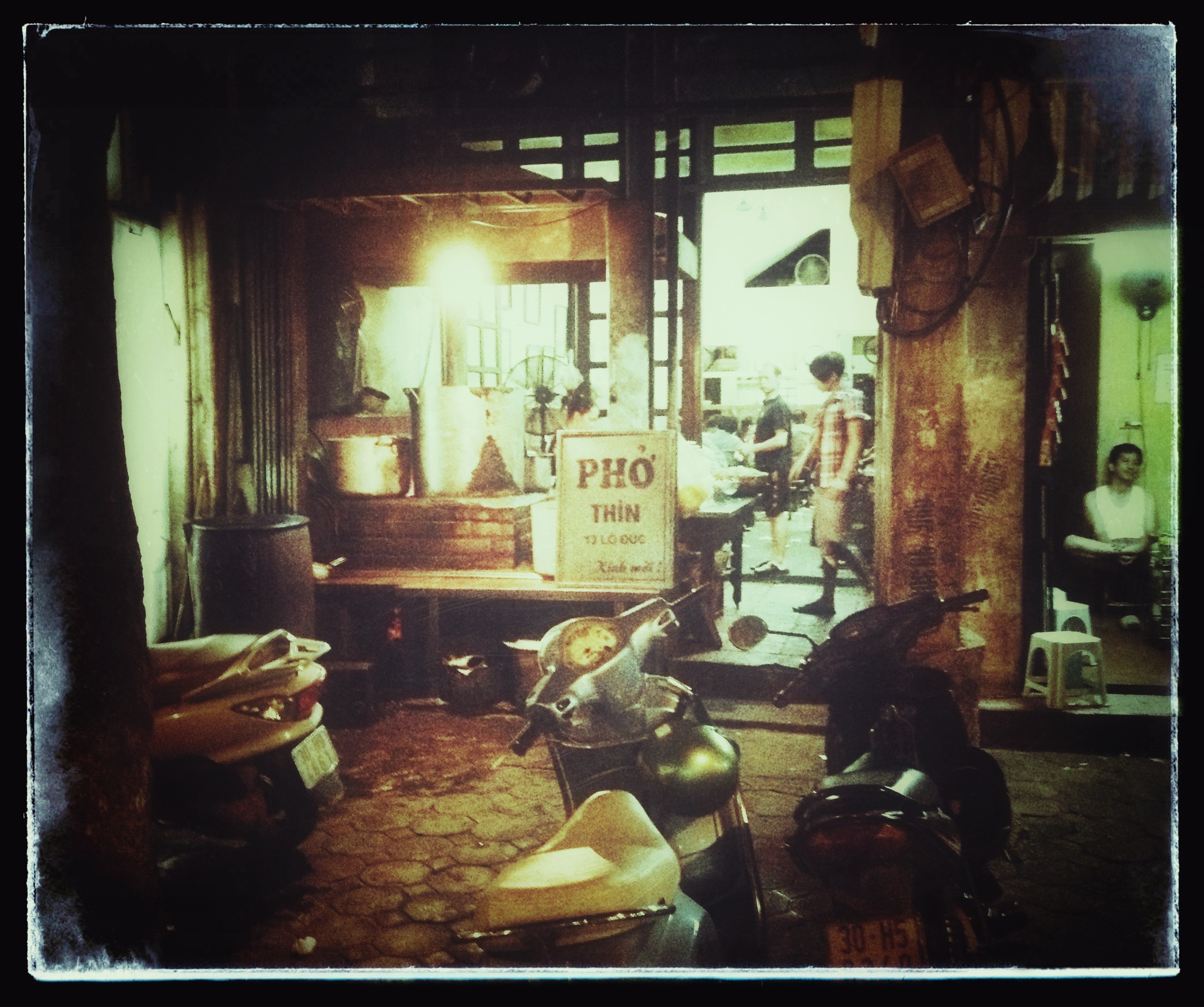
A spurious link at best between this photo and this post…that said, damn fine noodles are to be had here, next time you are in Hanoi…
Already two months have past since I posted here about Fair and Lovely cream whilst I was working in India. Various travels have kept me busy since that time (documented in part over on www.saigonsays.wordpress.com).
Suddenly August is in full swing.
Sparking my curiosity enough to open up these pages once more, is a piece in the Guardian, unpacking the seasonal debate we like to have (and perhaps the “we” inferred here – the UK – are not alone in this musing?) about the large salaries paid to CEOs of international NGOs, such as the one I have been working for these past seven years. Continue reading “Musings on CEO salaries (from a Vietnamese noodle bar)”→
At what point in the future will brandingnot be such a dominating force in society, or even cease to exist all together?
I asked myself this question yesterday, following a conversation had with colleagues here in Delhi about skin-whitening, and the way this practice has swept across the country.
Millions of Indian women and (more recently) men buy brands such as Fair and Lovely each day, in an attempt to look fairer and more attractive. The same company who produce Fair and Lovely (Hindustan Lever, a Unilever subsidiary) also just launched a hand-washing initiative in India, through their Lifebuoy soap brand, aimed at helping eradicate easily preventable diseases – such as dysentery – which claim the lives of many young children in India. The ad is pasted at the end of this post.
In my simple mind, the conflation of these two Unilever brands in what they stand for, and what they are selling, is slightly bizarre. Continue reading “Fair and Lovely?”→
I have just started reading Tiziano Terzani’s novel “A Fortune-Teller Told Me” – an autobiography, which recounts the specific tale of how Terzani, a journalist, avoided death in 1993 by following a prophecy made by a fortune-teller he met twenty years earlier.
The fortune-teller told him not to fly for the whole of 1993 and, in following this advice, Terzani not only embarked on a twelve month adventure covering many thousands of miles, but he also inadvertedly gave up his place on a UN helicopter, carrying other journalists, which went down on 20 March 1993 in Cambodia.
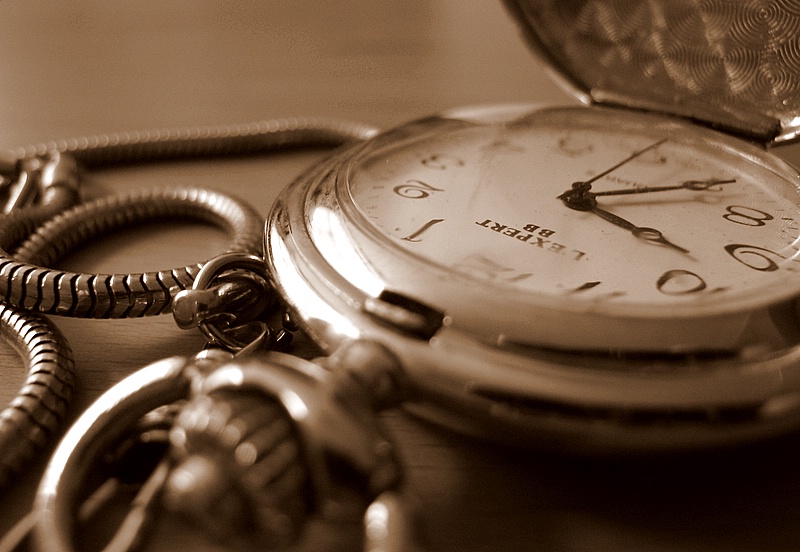
This, I already know after the opening chapters, will be a book which challenges my assumptions about several things. Including, perhaps, that of the human capacity to see into the past and the future. Continue reading “Time Piece”→
Last week, I posted about the Rana Plaza factory collapse in Dhaka. Rescuers are still pulling bodies out from under the two week old rubble. Including those of the two workers embracing in the heart-wrenching photograph above.
Taslima Akhter, the photographer who took this picture, was interviewed (see link below) about her experience of being at the scene of this tragedy. And about this particular photo.
Her statements are powerful. The image she has captured stirs a million emotions for those who lay eyes on it.
All the questions being asked about accountability for the Rana Plaza collapse need answers.
But, given questions about accountability for how the global garment industry is governed and managed, were being asked more than twenty years ago, how many more years need to transpire before a stop is put to unnecessary lives – like those unnamed in the picture – are lost?
So much of what we read about in the news are “white noise” stories. There will be replacement football club managers, and, depressingly, replacement lunatics. Is that why, often, such stories don’t penetrate our consciences for very long, or in a way that makes us stop and think and wonder.
It’s selfish writing in many ways. Such an unnecessary event, needlessly taking lives, and a sense that you can respond in some capacity by simply writing a narrative. Although, at the time, I don’t remember it making me feel any better about what had taken place in Ashulia.
And now it has happened all over again, once more in Bangladesh, this time just north of the capital, in Savar, after the total collapse of the Rana Plaza building, last Wednesday. Rana Plaza was eight-storeys high, housed four garment factories, 6,000 workers, and should never have been open last week, after factory inspectors had ordered the building be evacuated having declared it unsafe. Continue reading “Brave new world (of uncertainty)”→
Night-time here in Saigon, and the apartment is awash with technology: air conditioning unit purring above, iPod playing, latop bedazzling me with twittersphere chat, skype, and instant access to the views, and counterviews, of billions of fellow humans.
In my first job after returning from an even more isolated, yet inspiring, corner of Uganda in 1997, I worked in a slightly ‘outback’ office in Acton (West London) with twenty other people. We had no mobile phones to start with, and a mere four to five shared computers.
These were times when securing advertising through faxing was all the rage – in itself a flawed initiative on several fronts when you think about it, as no one ever read the adverts, and no one recycled the paper.
Sure, this ain’t all that long ago in the grand scheme of things and, in comparison to now, was following on the foot-steps of a practically ‘dark-age’ era of technology (and so brilliantly captured in this recent UK compilation of 70s and 80s nostalgic memorabillia – which I simply had to upload for posterity’s sake): Continue reading “Back to the Future”→
In terms of a public figure well practiced in the art of reinventing a good argument, the late, great Christopher Hitchens was second to none.
I’ve no doubt I would have enjoyed his inevitable column, following the recent news that the Vatican had elected a new Pope. Hitchens was a staunch atheist, and passionately outspoken about Catholicism. Who knows what his particular narrative on the appointment of Pope Francis would have been last week?
Having watched countless hours of him in action on youtube – Hitchens that is, not the new Pope – I used to find myself, for the first time, understanding the type of lure and addiction that those with strong religious faiths must experience when in front of their local preacher. The same, only with Hitchens’ flavour of persuasion being that of the anti-theist, promoting instead the vital role that the arts, science, and disciplines such as free-thinking play in society. Continue reading “Our defining moments”→
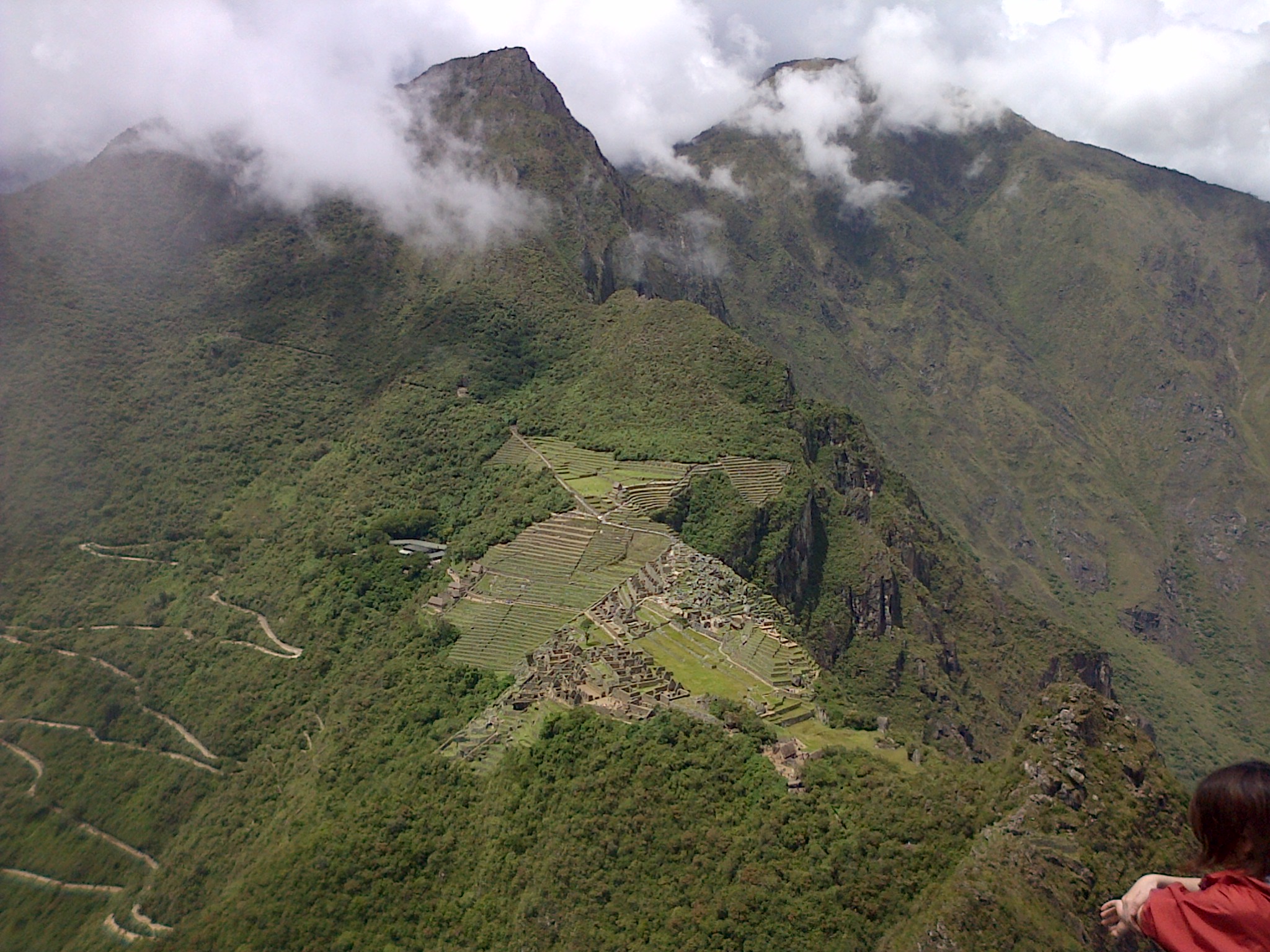
The view of Machu Picchu from top of Waynapichu mountain
There’s a catchy song going round at the moment – by Asaf Avidan – containing the refrain: “one day, baby, we’ll grow old, think of all the stories that we could have told.”
Take it or leave it, I’ve always felt there to be immense appeal, and need, now and again, for a carpe diem type of call to action. Time waits for no man. You are only young once. Just Do It.
We live in an era of 24/7 availability and connectivity. Of twittersphere brevity. Of mouse click transactions, and downloaded lifestyles. Today’s children will know very little else, growing up as they will do surrounded by technologies whose sell-by dates will have expired halfway through the journey from their Chinese factory origins, to the shelves from which they will be sold.
Does this excite or exacerbate you? And what does it matter anyway?
This time last week I climbed Machu Picchu, the world famous Inca heritage site in Peru, and spent a large chunk of my Tuesday soaking up dizzying views of Andean mountains, valleys and indigenous life [I left my own technologies behind for the day, although did take the photo above with a crappy old camera].
My first time to Peru, and the experience was a memorable one. Cultural nuances, tasty foods and drink, a different pace of life, language, and a wonderful and striking mixture of old and new. Continue reading “Inca Magic”→
What can you do today that will make a difference?
George Osborne, the UK Chancellor, was front page news yesterday, receiving positive plaudits from Action Aid and the ONE Campaign, as well as from other organisations also not known for being routinely generous with such public praise.
The story in question centres around how large corporations have skillfully dodged paying taxes to poorer countries in which they conduct business. Osborne used his attendance at a G20 meeting of finance ministers to make UK Govt commitments to a “new agenda of transparency” that will move towards stamping out skillful tax dodging by said corporations.
At the same time, he took the opportunity, quite rightly, to reinforce his government’s own pledge to increase to 0.7% (of GNI – gross national income) the funds it spends on international development programmes around the world.
The argument against increasing this UK “aid” budget has been made time and again since the Conservatives took office nearly 3 years ago, and no doubt Osborne’s piece in the Observer will not go down well with many. Whilst 0.7% is a small percentage compared to other government budgets, it still amounts to tens of millions of pounds of tax payers’ money. All other public sector budgets have been cut and, last year, the UK economy flat-lined, triple dipping back into recession. Continue reading “Raising the bar on tax”→





 definitelymaybe